

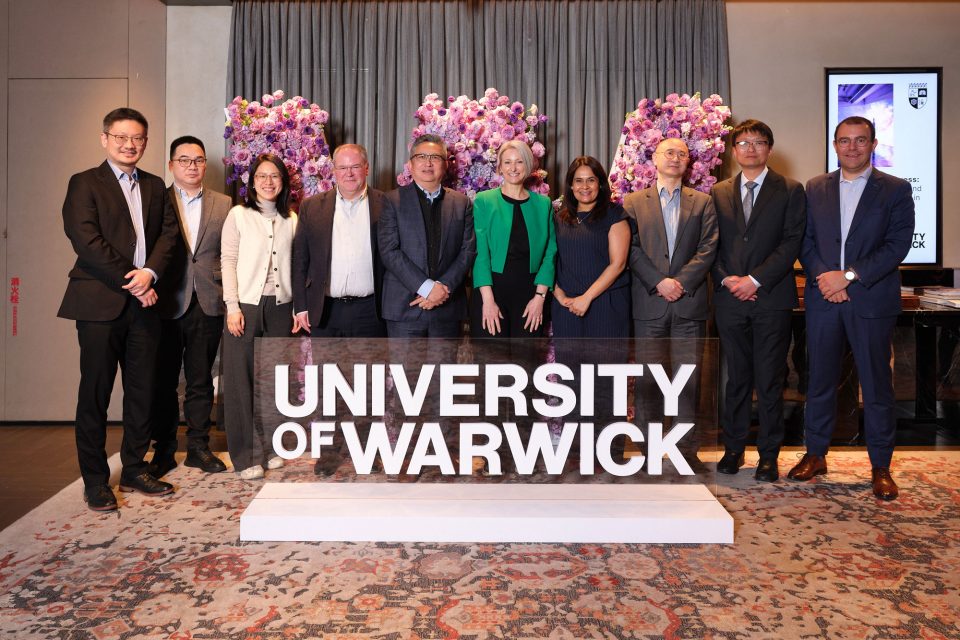
At a time when AI and sustainability are reshaping societies and economies across the world, the University of Warwick and the British Chamber of Commerce Shanghai convened a forum designed to move the conversation beyond trends and into strategy, insight and action.
Titled ‘Powering Progress: AI, Sustainability, and Global Leadership in Action’, the event on 17 March 2026 at the Kimpton Hotel, Shanghai, brought together business leaders, academics, industry partners, and global alumni to explore how collective insight can be translated into the strategies and actions needed to shape a more sustainable, AI-enabled future.
Speakers at the event included:
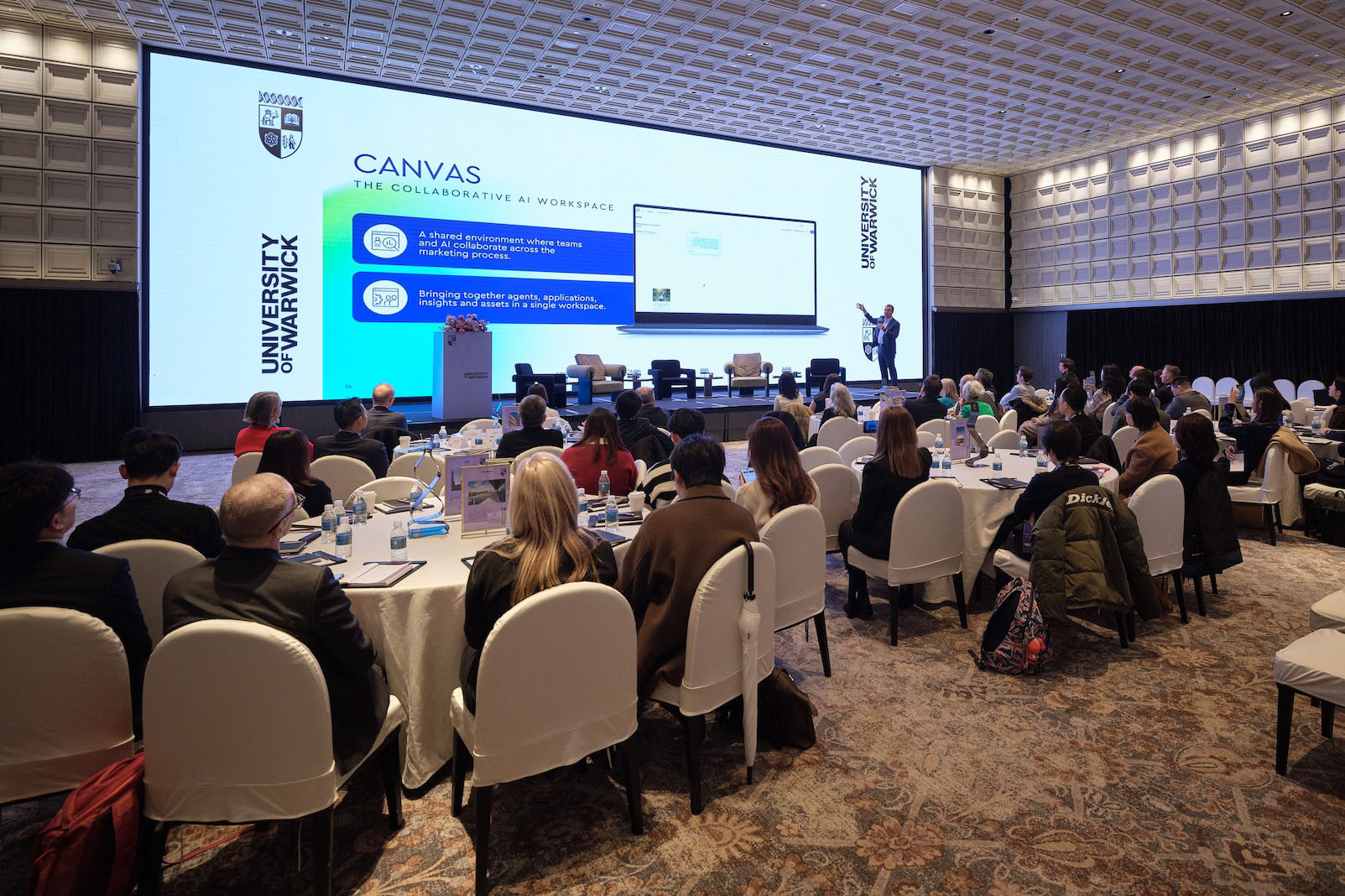
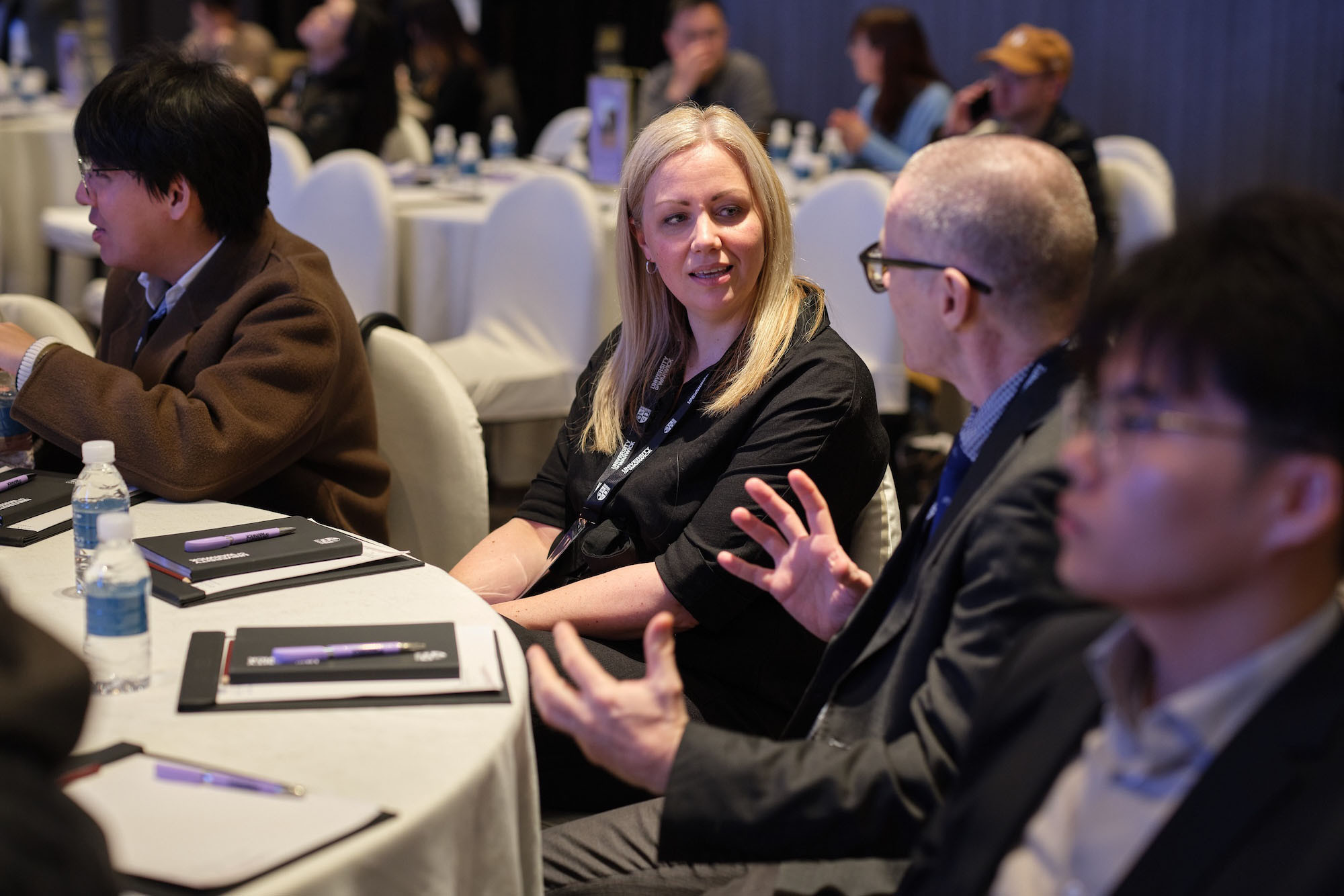
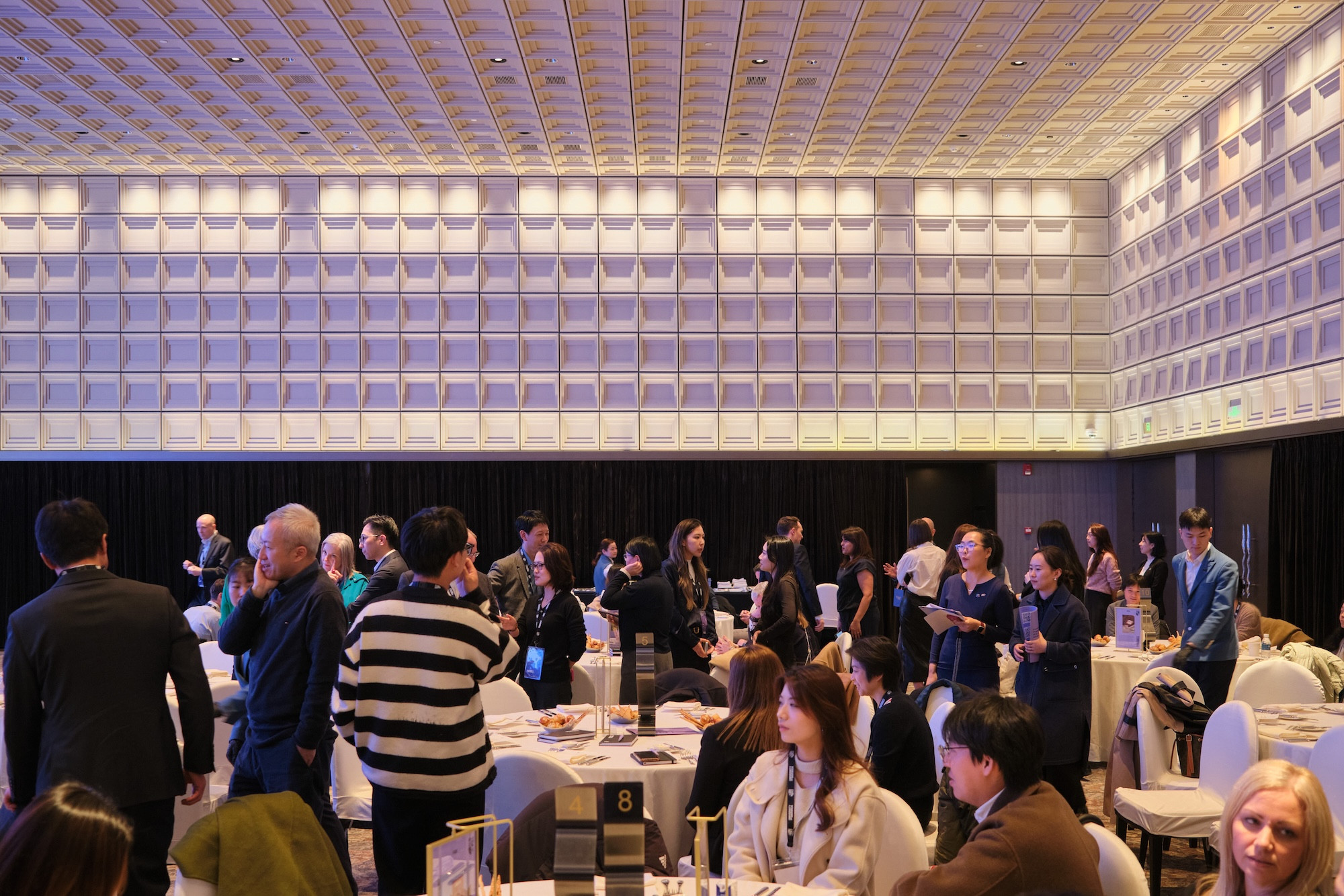
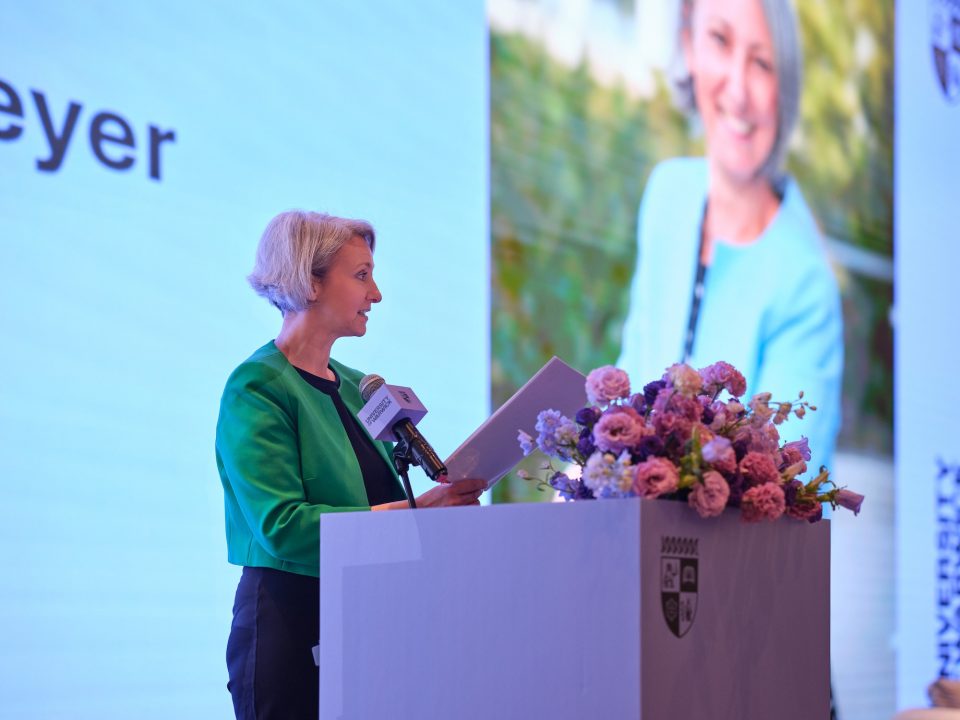
The event provided a platform for global thought leadership, showcasing how business and academia in China and the UK can jointly influence the next era of sustainable development.
Professor Caroline Meyer, Provost, University of Warwick said, “AI and sustainability have become fundamental questions of competitiveness, opportunity and resilience for every organisation. Institutions like ours must play an active role in shaping the solutions the world needs. Today’s event represents a deeper shared belief that when universities and businesses collaborate, we can unlock progress at a scale and at a pace.
“We are delighted to bring together leading voices from academia and industry to drive this conversation forward.”
Throughout the day, speakers emphasised that China’s scale, speed and capacity for innovation have positioned it at the frontline of the global sustainability transition.
Collaborations between the University of Warwick and leading Chinese institutions, including Shanghai Jiao Tong University and Fudan University, illustrate how joint research is generating insights with far-reaching global impact.
The Fudan-Warwick Joint Seed Fund initiative provides vital early-stage funding to ambitious research initiatives that blend diverse expertise and explore novel approaches. The Joint Fund aims to foster pioneering research across disciplines, while expanding opportunities for the exchange of academic expertise and student mobility. The first round of projects started in September 2025 and includes research into Alzheimer’s and brain diseases, AI and earth sciences, black holes, and sleep science.
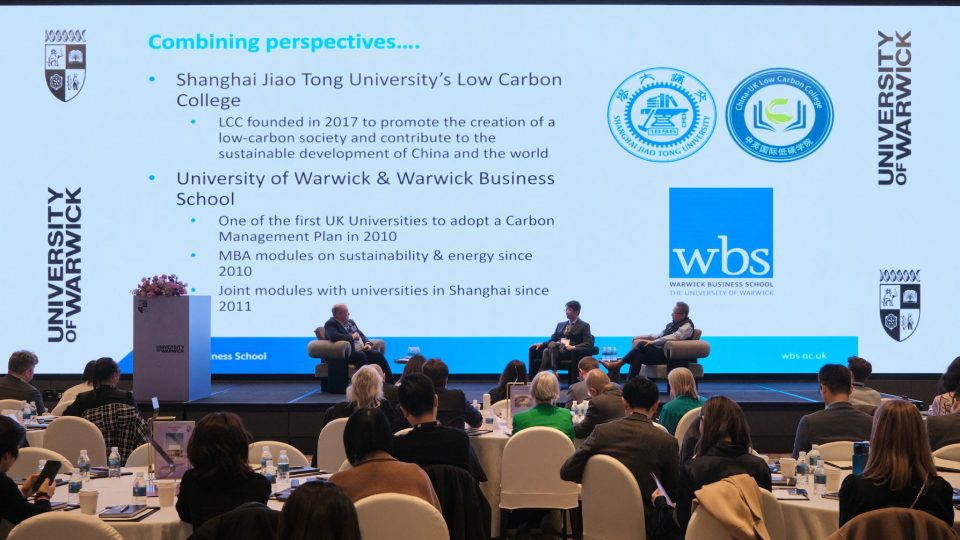
Shanghai Jiao Tong University (SJTU) is Warwick’s longest institutional partnership in China. The Joint Seed Fund between the universities has supported more than 55 collaborative research projects since 2019. The initiative was recently renewed in November 2025 for another five years of partnership and innovation. Ongoing research projects include: how network analysis is helping to understand Aphasia, building climate-resilient cities through nature-based solutions, and rethinking global history in a changing world.
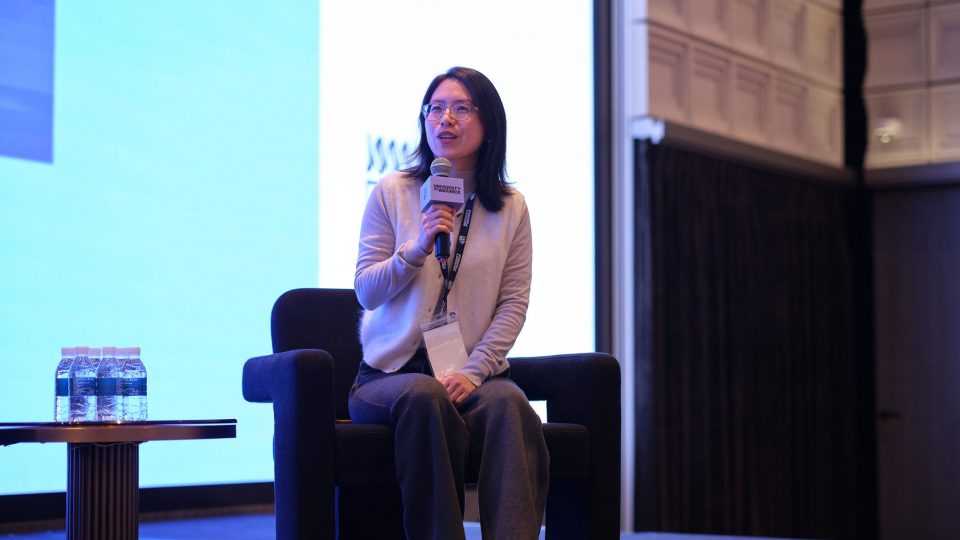
Hong Guo leads corporate sustainability strategy and implementation for adidas across China, overseeing sustainability initiatives spanning the full value chain, from materials sourcing and manufacturing to the supply chain, waste and recycling. Her portfolio includes ESG reporting, government and industry engagement, employee sustainability programmes and cross-functional leadership of major initiatives, including the launch of adidas’ first sustainable retail store in China.
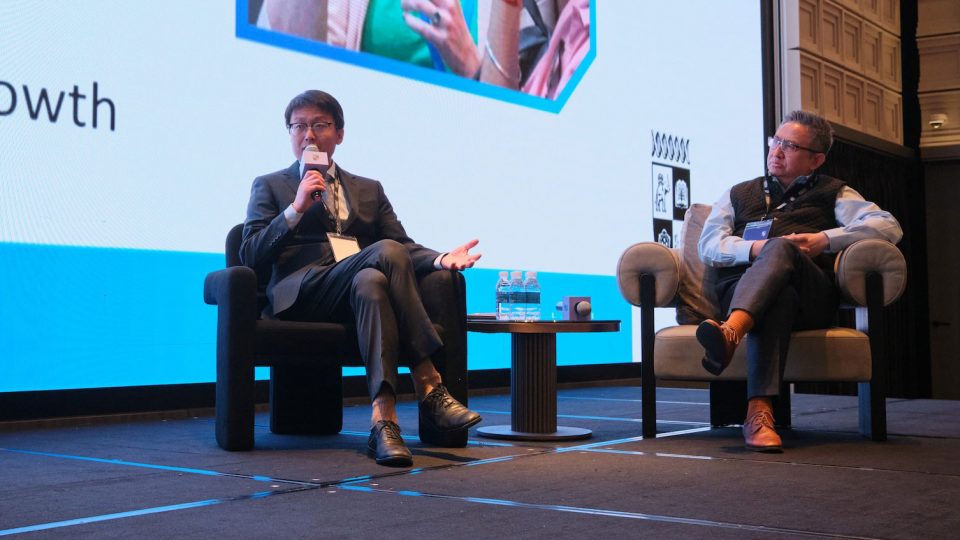
Across the event, experts agreed that China’s approach to integrating AI with green economic growth offers a powerful example for the international community. Whether through renewable energy deployment, industrial digitalisation, sustainability initiatives or breakthroughs in materials innovation, China’s trajectory demonstrates that sustainability and economic ambition are not mutually exclusive; they are mutually reinforcing.
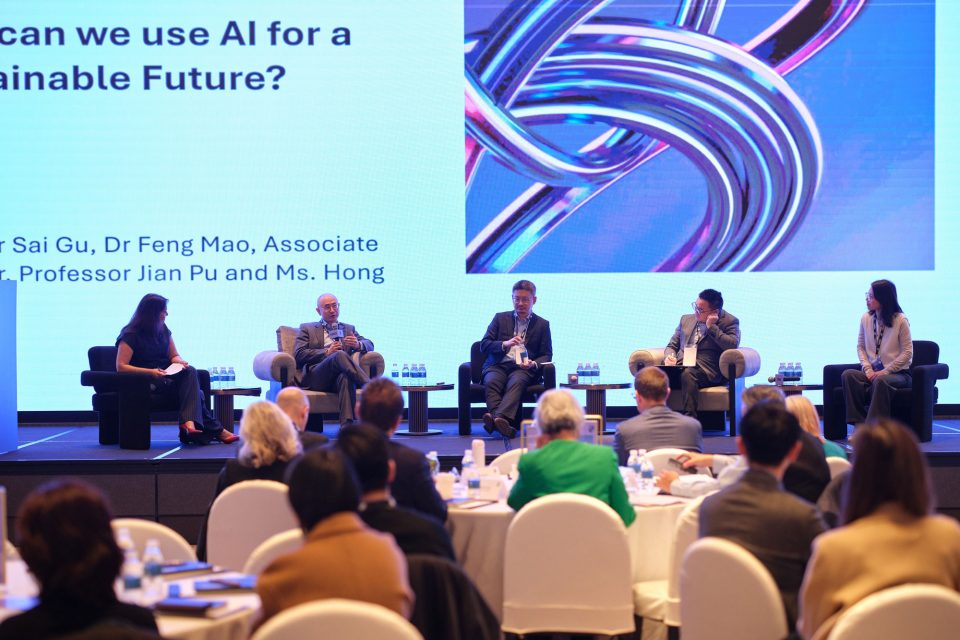
Panellists highlighted how AI is now enabling:
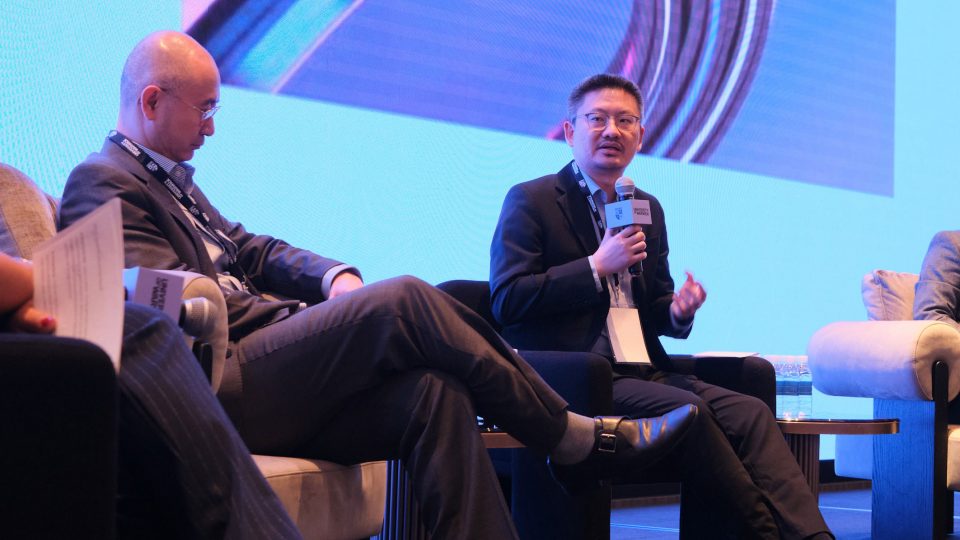
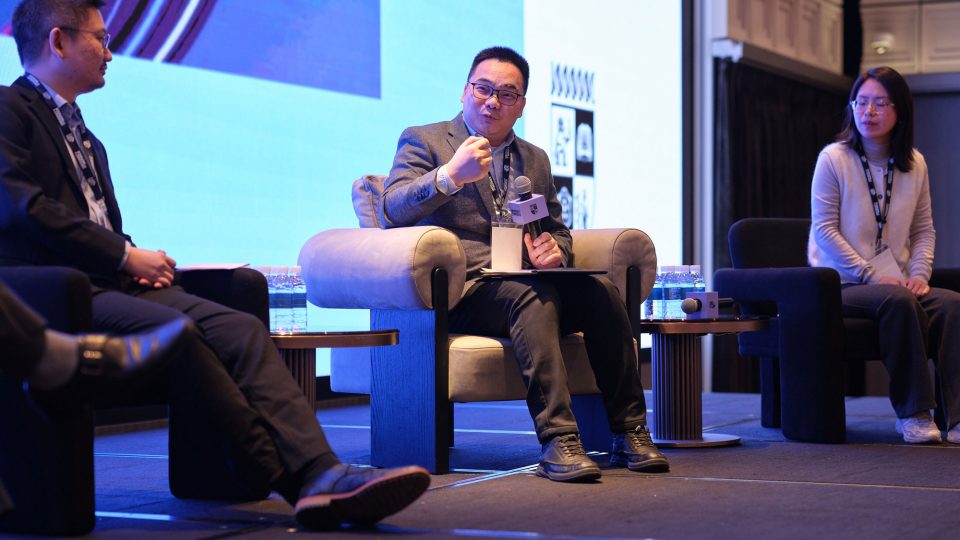
Professor Sai Gu pointed out that AI’s ability to reduce the time and cost associated with materials discovery could unlock breakthroughs essential for the transition to cleaner energy and sustainable manufacturing.
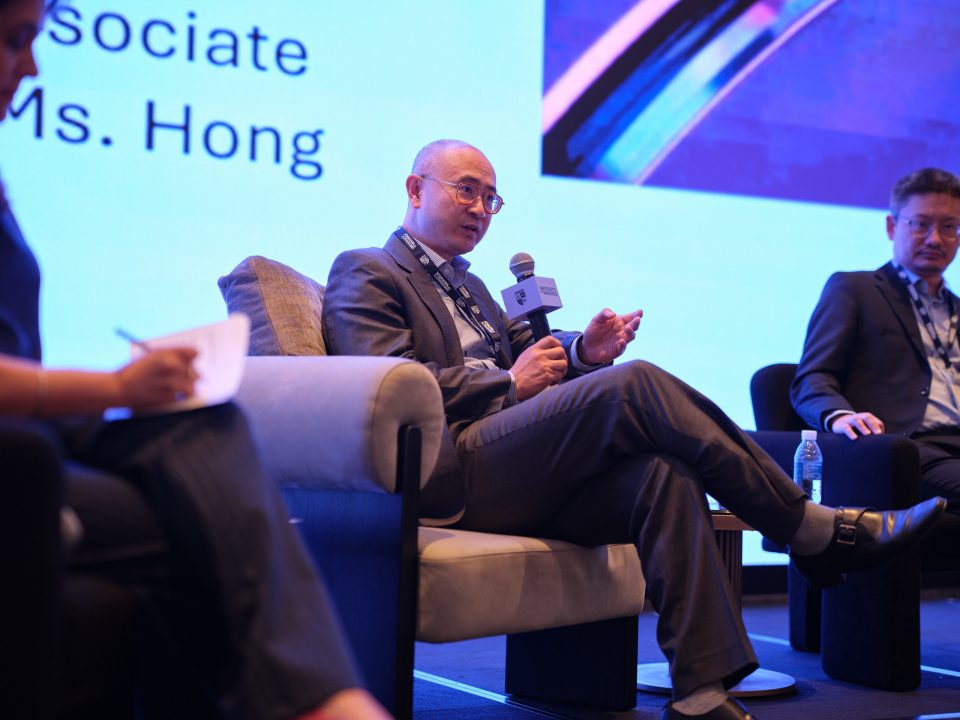
Dr Feng Mao argued that AI’s real promise lies in addressing interconnected global challenges – the complex linkages between climate, resources, population, and economic development.
The discussion underscored a shared conclusion: AI is a foundational tool for the next era of sustainable prosperity.
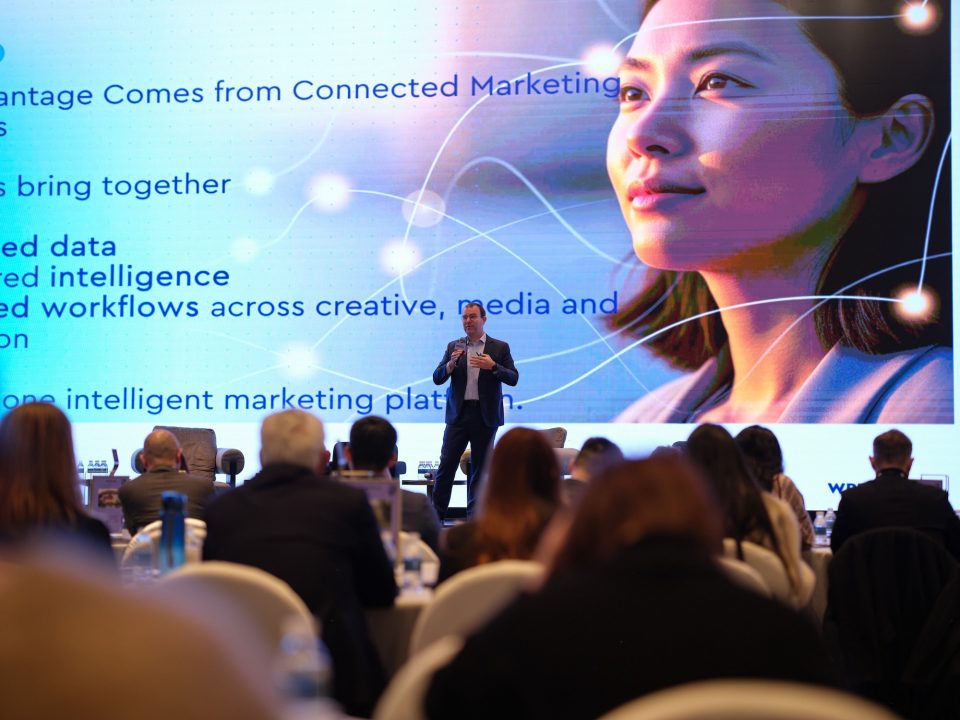
Drawing on his work leading WPP’s AI, data and marketing technology capabilities in China, Austin highlighted how organisations are rebuilding marketing around people, process and platforms. He shared how WPP Open, WPP’s AI-powered marketing platform, enables companies to combine data, technology and creativity to operate with greater intelligence and scale.
The session explored how AI is reshaping how marketing, media and communications are developed, planned and optimised, moving teams from fragmented workflows to connected, AI-assisted systems.
Austin also discussed how leadership and talent are evolving in the AI era, including the shift from traditional specialist structures toward more integrated, diamond-shaped organisations that bring together creativity, data and technology capabilities.
A key message from the session was that AI is not just about efficiency, but about enabling more intelligent and sustainable growth by combining human creativity, trusted data and AI-powered platforms.
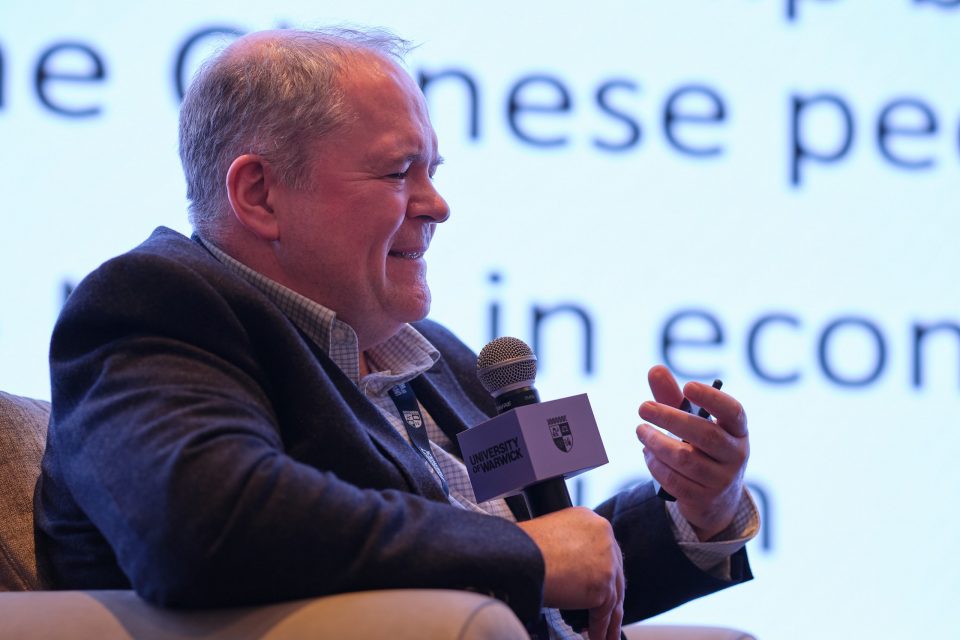
Professor David Elmes highlighted China’s unique role as both a major energy consumer and a global leader in low-carbon technology deployment.
He explained that understanding China is essential to understanding global energy transitions because multiple major industries are transforming at once. He emphasised that China’s energy transition is deeply interconnected with shifts in transportation, mobility (like the rapid move to electric vehicles), and construction, where new approaches to heating and building efficiency are emerging. These transitions aren’t isolated – they reinforce one another, creating a broad, system level shift across the Chinese economy
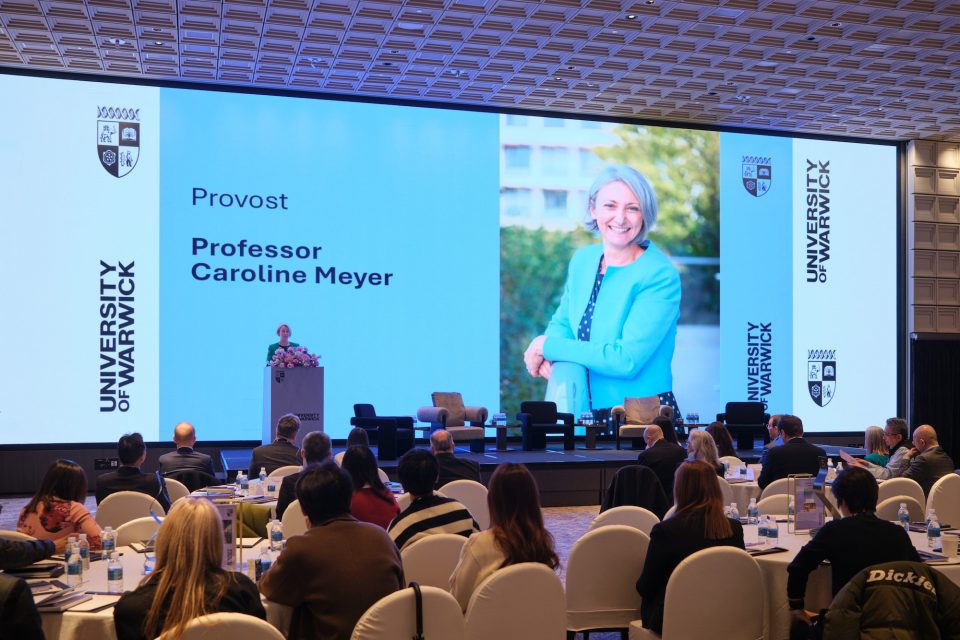
She reflected that the forum was designed not just to inspire dialogue, but to help shape the strategic direction of global AI and sustainability leadership, “events like this reinforce Warwick’s mission to act as a global connector – bringing together evidence-based insights and international partnerships to address the most pressing challenges of our age.”
https://warwick.ac.uk/global/eastsoutheastasia/china/
For more information please contact:
University of Warwick Press Office
press@warwick.ac.uk
+44 7392 125605
(please call as emails are not checked out of office hours)