

Do you recall the enchanting “Dandelion” at Shanghai Expo from 15 years ago? In this post, we invite you to revisit the legendary tale of the UK Pavilion.
The UK Pavilion at Shanghai Expo 2010 was designed by the Heatherwick studio. The studio is a team of over 250 problem solvers dedicated to making the physical world better for everyone. Based in our combined workshop and design studios in London and Shanghai, we create buildings, spaces, masterplans, objects and infrastructure. The studio’s completed projects include UK Pavilion during Shanghai Expo in 2010, Xi’an CCBD in Xi’an, Azabudai Hills district in Tokyo and Coal Drops Yard in London. In 2023, the studio launched Humanise, a book and campaign aiming to spark a global conversation to make buildings radically more joyful, engaging and human.

On the 15th anniversary of Shanghai World Expo in 2025, we are celebrating both the success of the UK pavilion and UK/China People-to-People Relations, which strengthen the bilateral relationship and connect us in so many fields – culture, education, sport, biodiversity, health and science – to name but a few.
From the outset, Expo represented a fantastic opportunity to reach millions of people from China and elsewhere – many of them young, enthusiastic opinion-formers – and to leave a lasting and positive impression of the UK, demonstrating UK partnership with China in the challenges and opportunities that major global issues present. The UK pavilion was designed to showcase British design, creativity and technology – both in the exterior and the interior, to challenge recent surveys which had suggested that in terms of creativity, style and flair, the UK had an image deficit in China. The winning design, and the associated programme, went on to address and overturn this deficit most effectively.
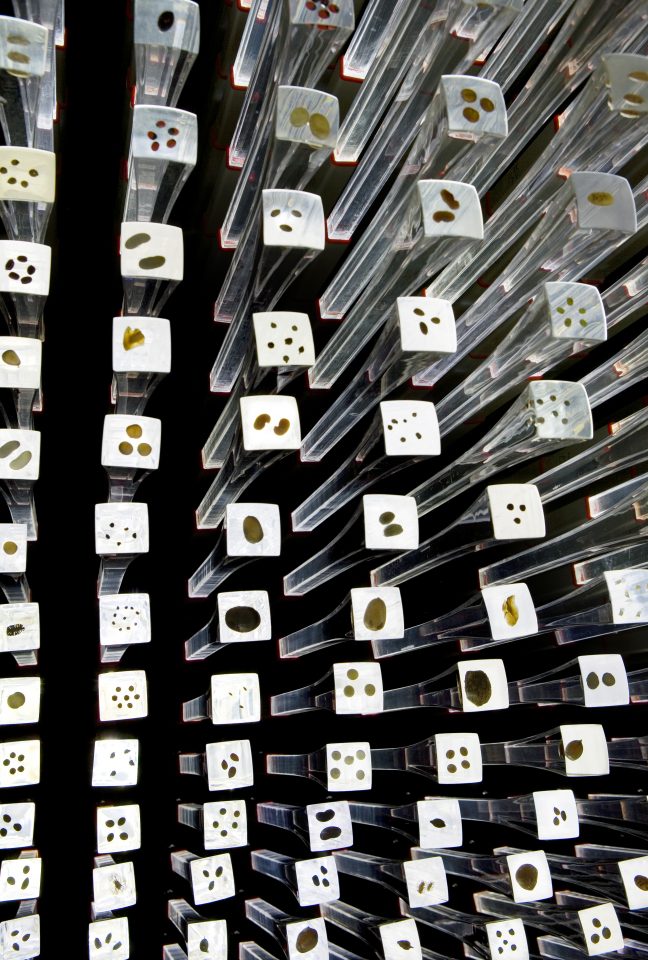
The Heatherwick Studio design for the pavilion has since gone down in history. The team even changed the building code in Shanghai in order to fulfil its design brief – of a moving, “hairy” building, able to withstand the at times inclement weather and to safely host millions of visitors over 6 months. It gained the fond nickname “The Dandelion” – in tribute to its shape, and the imagery of a dandelion spreading seeds and ideas in the wind. This message was enhanced through the internal display – of preserving biodiversity as an “insurance policy” for the future, gaining a further nickname of the “Seed Cathedral”.
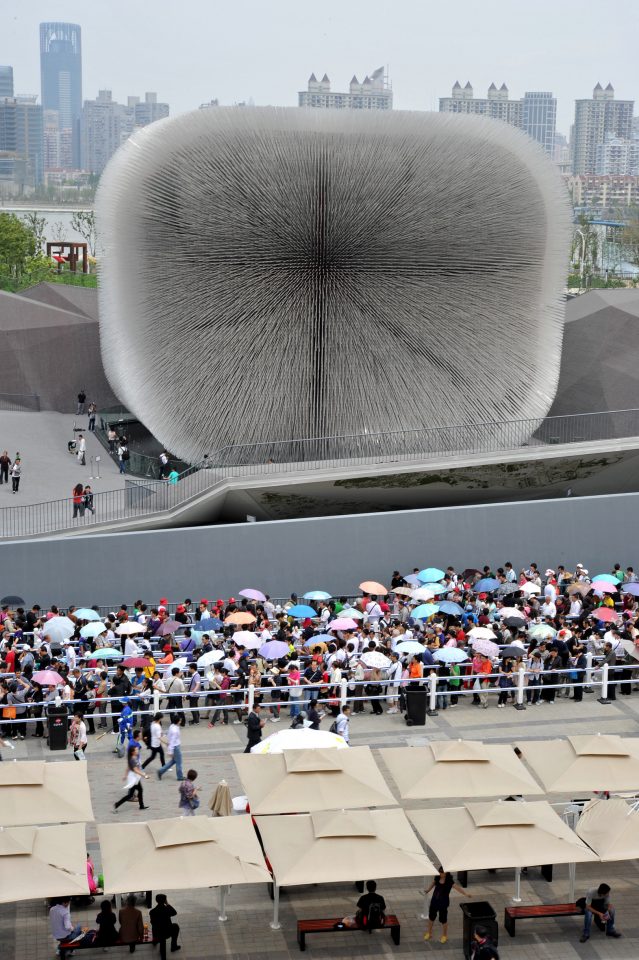
The Pavilion’s design was awarded Britain’s top international architectural award, the prestigious Royal Institute of British Architects’ Lubetkin Prize 2010. The UK pavilion also won the Gold Award in the Bureau Des Exposition’s own design awards for larger exhibits. The “Dandelion” attracted some 7 million visitors in person. The website, digital and media campaigns had an exceptional reach, with 240m page views and almost 17m unique visitors to the pavilion’s platforms. 20 million visitors chose to download the UK pavilion image to use as their online social networking identity and the UK pavilion was voted Best Pavilion (outside the Chinese pavilion) by QQ’s 600m users.
The programme reflected the diversity of the UK/China people to people relationship, and the trust embodied in strong partnerships. This catalysed more engagement – across the arts, creative industries, sports, education and business, as well as heralding a significant increase in trade and investment through a carefully curated VIP programme. After Shanghai Expo 2010, many of the pavilion’s seed rods were sold for charity. Others were donated to the Kunming Institute of Botany or used in school-based programmes to stimulate discussion on biodiversity and sustainability.
The significant investment made then, and the collaborative approach taken, continues to resonate today. As the major Expo prize winner, the UK would not have been successful without amazing and enduring support from the Shanghai government, the Expo Bureau – indeed too many institutional partners to name.
Special Thanks:
We extend our gratitude to the following individuals and organisations for their contributions to the text, images, and video materials in this article.