

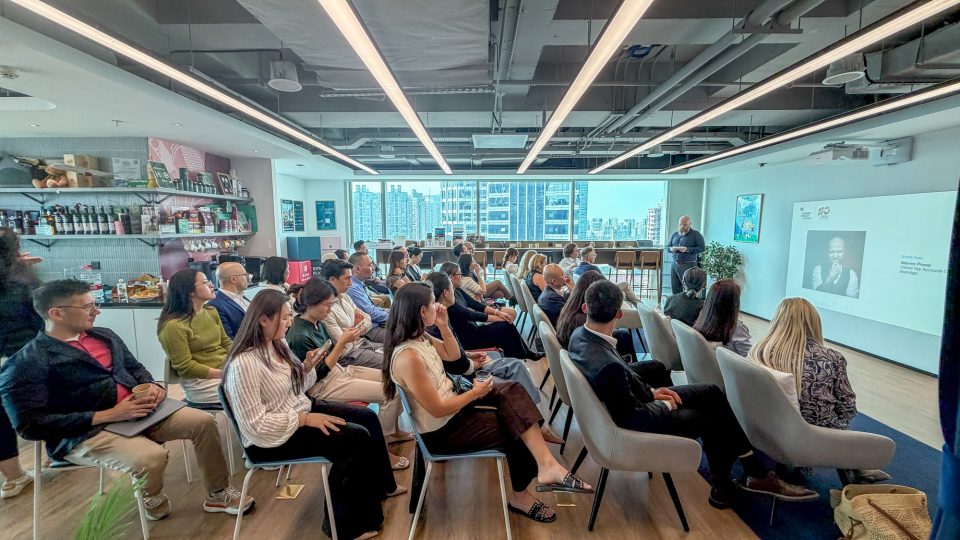
On 15 May 2026, BritCham Shanghai and the Irish Chamber of Commerce China co-hosted “B2B Marketing for China — Insider Insights that AI Can’t Teach,” bringing together marketing leaders, communications professionals, strategists, and business executives to explore how AI, platform fragmentation, and changing buyer behaviour are reshaping B2B marketing in China.
The event opened with welcoming remarks from BritCham Shanghai, followed by a series of presentations and panel discussions examining the future of communications, lead generation, branding, and AI-driven discovery in China’s rapidly evolving digital ecosystem.

Ben Wood, Director at Deloitte, opened the discussion with a broad overview of how media and advertising have evolved over the past several decades. He traced the shift from traditional print and television advertising to today’s AI-assisted content landscape, highlighting the increasing role of platforms such as ChatGPT, Gemini, Claude, and Copilot in content production, research, and analysis.
He argued that while AI is fundamentally changing the speed and accessibility of marketing, the core principles of storytelling, strategic media planning, and audience engagement remain unchanged. As internet infrastructure and AI capabilities continue to accelerate, brands will increasingly need to balance automation with creativity and human insight
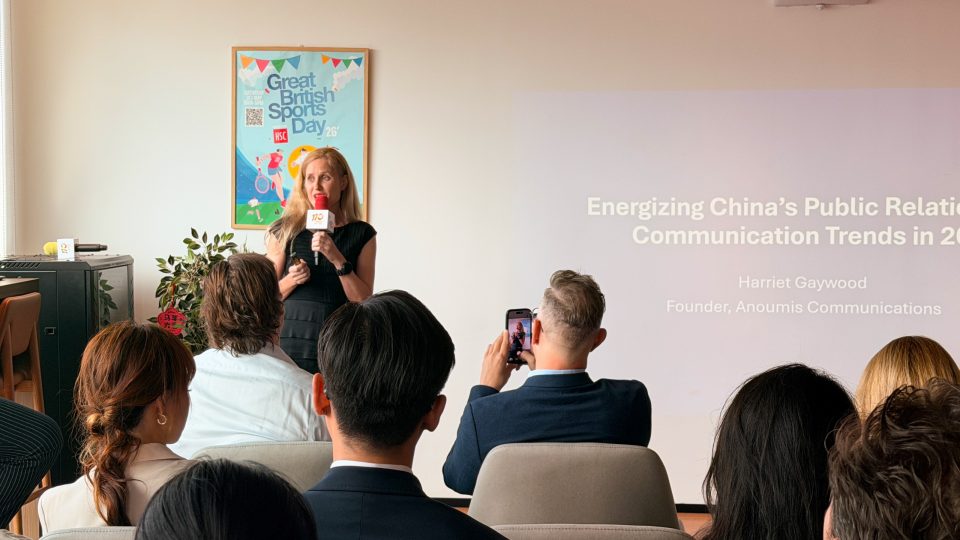
Harriet Gaywood, Founder of Anoumis Communications, focused on the future of communications and public relations in China. She emphasised that in an era of shrinking attention spans and fragmented content formats, clear messaging and strong positioning have become more important than ever.
Harriet highlighted how B2B communications are becoming increasingly human-centric, with younger audiences consuming professional content through the same social and video platforms they use personally. She also explored the growing sophistication of Chinese companies expanding overseas, noting that many are now investing heavily in localisation, relationship building, and long-term brand equity rather than relying solely on sales and distribution.
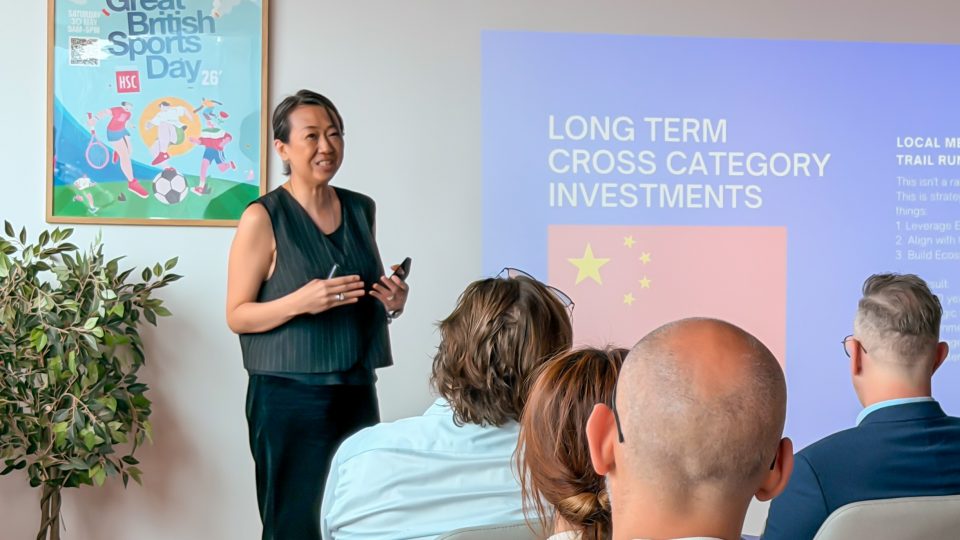
Chan Juu Ann, Managing Partner and Co-founder of Out of Ordinary Human, shared perspectives on why many Chinese companies are succeeding through long-term strategic thinking and ecosystem building. She reflected on how some international brands entering China historically focused too heavily on short-term sales performance, often sacrificing long-term brand value in the process.
In contrast, she observed that many Chinese companies are increasingly building broader ecosystems around products, communities, events, partnerships, and adjacent industries. Drawing on examples from media, FMCG, and sportswear sectors, she argued that patient investment, localisation, and strategic diversification are becoming defining characteristics of successful China brands.
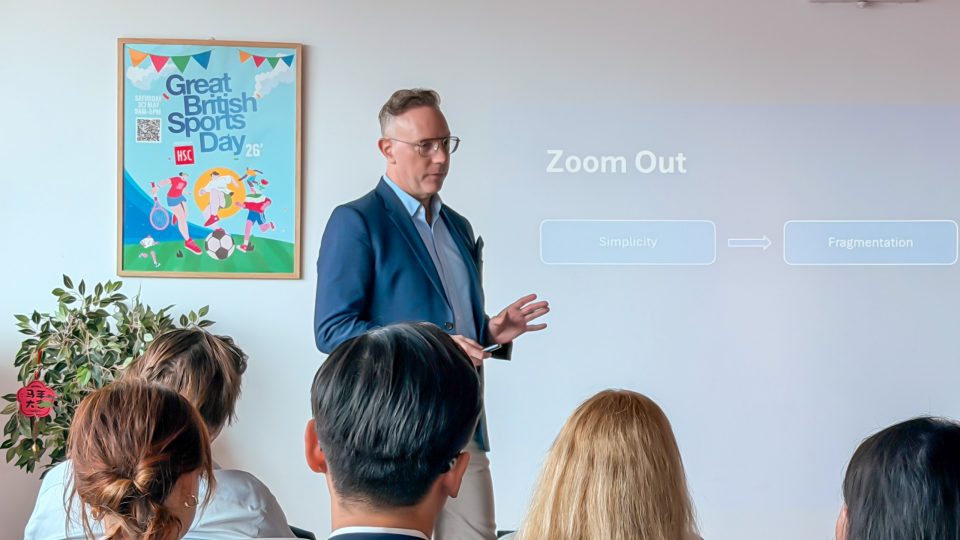
Mike Golden, President of Brandigo China, focused on the future of B2B lead generation in an AI-driven environment. He outlined several major shifts currently reshaping the industry, including the move from SEO to GEO (Generative Engine Optimization), from traffic-based marketing to trust-based marketing, and from corporate-led communications to human-led storytelling.
Mike also introduced the concept that “the funnel has been inverted,” explaining how buyers increasingly complete much of their research, validation, and consideration before ever visiting a company website. AI search, social discussion, community recommendations, and platform ecosystems are now becoming central to B2B discovery. He further highlighted the growing importance of founder-led content, technical creators, and behind-the-scenes storytelling on platforms such as Douyin and Rednote as companies seek to build trust in fragmented digital environments.
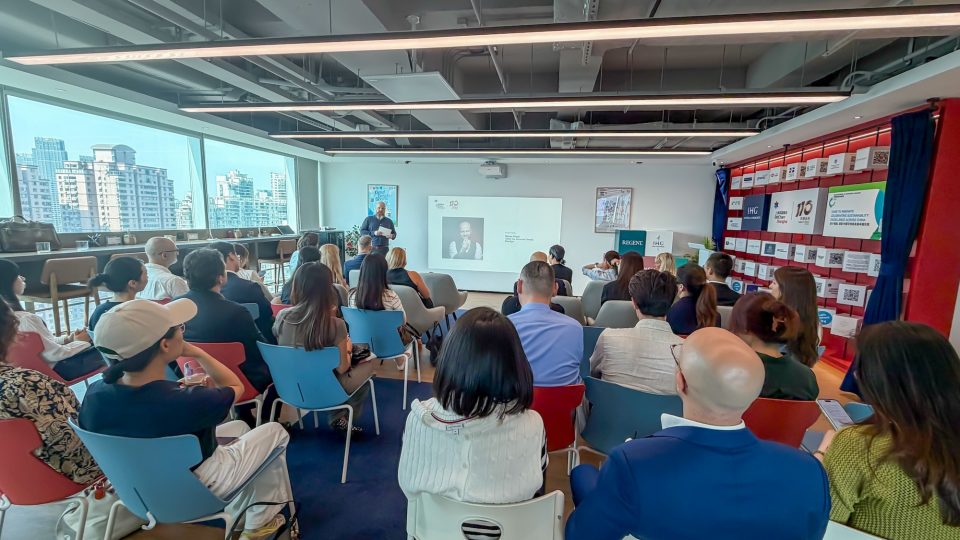
The event concluded with an engaging panel discussion and audience Q&A session, where speakers discussed topics including AI-driven search fragmentation in China, the growing importance of WeCom and private traffic ecosystems, the resurgence of PR and trade media as trusted AI citation sources, and how companies can balance automation with authentic human communication.
Throughout the afternoon, one theme remained consistent: while AI is dramatically transforming how brands are discovered, trust remains the defining currency of modern B2B marketing. Companies that combine strong positioning, human storytelling, ecosystem visibility, and long-term strategic thinking will be best positioned to succeed in China’s increasingly fragmented digital landscape.
BritCham Shanghai and the Irish Chamber of Commerce China remain committed to supporting business leaders with timely insights, cross-industry dialogue, and practical frameworks for navigating China’s evolving business environment.
Through events, thought leadership, and community engagement, both chambers continue to provide valuable platforms for companies seeking to better understand the future of marketing, communications, and business growth in China.