

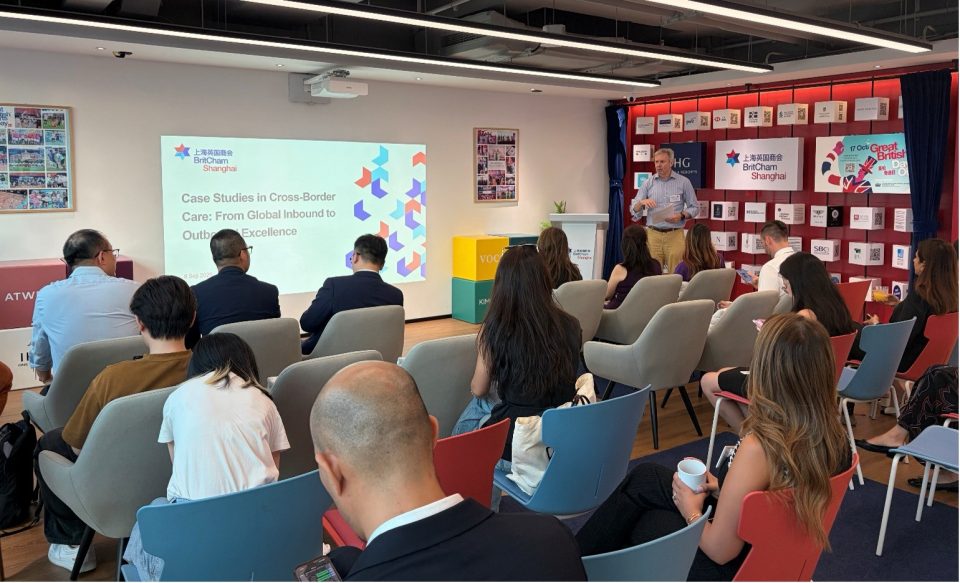
On 8 September 2026, the British Chamber of Commerce Shanghai (BritCham Shanghai) hosted an evening session titled “Case Studies in Cross-Border Care: From Global Inbound to Outbound Excellence.” The event brought together hospital leaders, referral specialists and insurance representatives for two case-study presentations and a panel discussion on the practical realities of moving patients across borders — both into China (inbound medical tourism) and out of China (outbound referrals to overseas centres of excellence).
The evening was moderated throughout by Maxwell J Kirkby, CEO of Huang & Kirkby Medical Consulting Co., and Vice Chair of BritCham Advanced Engineering Manufacturing & Life Sciences Committee, who introduced each speaker, guided the panel discussion, and closed the session.
Keynote Session 1:
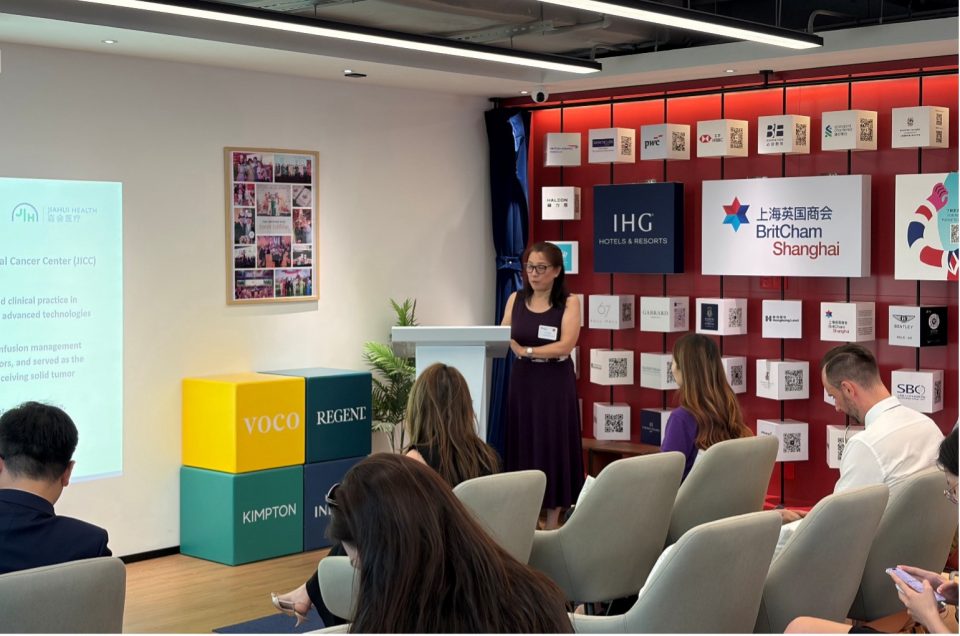
Inbound Care — Jiahui International Cancer Center (JICC)
Dr. Linli Xuan, Chief of Medical Oncology at Jiahui International Cancer Center (JICC), presented JICC’s experience welcoming international patients to China for advanced cancer care. JICC, part of Jiahui International Hospital and a strategic partner of the Massachusetts General Hospital Cancer Center, has treated patients from 74 countries since 2025 (about 20% of total patient volume), supported by physicians from 20+ countries and care in 12 languages, and points to speed, affordability, cutting-edge therapies (including the world’s first CAR-T therapy for a solid tumour) and access to China-originated drugs such as ivonescimab as its core advantages.
She illustrated this with patient stories including Daniel (US, advanced NSCLC treated with ivonescimab), Josh (New Zealand, gastroduodenal adenocarcinoma treated with the CAR-T therapy Satri-cel), Rebecca (US, biliary cancer requiring coordinated transfer of ongoing chemo back to the US), Charles (Gibraltar, a complex undiagnosed lung lesion), a breast cancer patient who began chemotherapy within three days of arrival, and a long-term metastatic breast cancer patient for whom the team arranged end-of-life travel home to Poland — with audience feedback highlighting the value of access to China-developed medicines and the speed of multidisciplinary
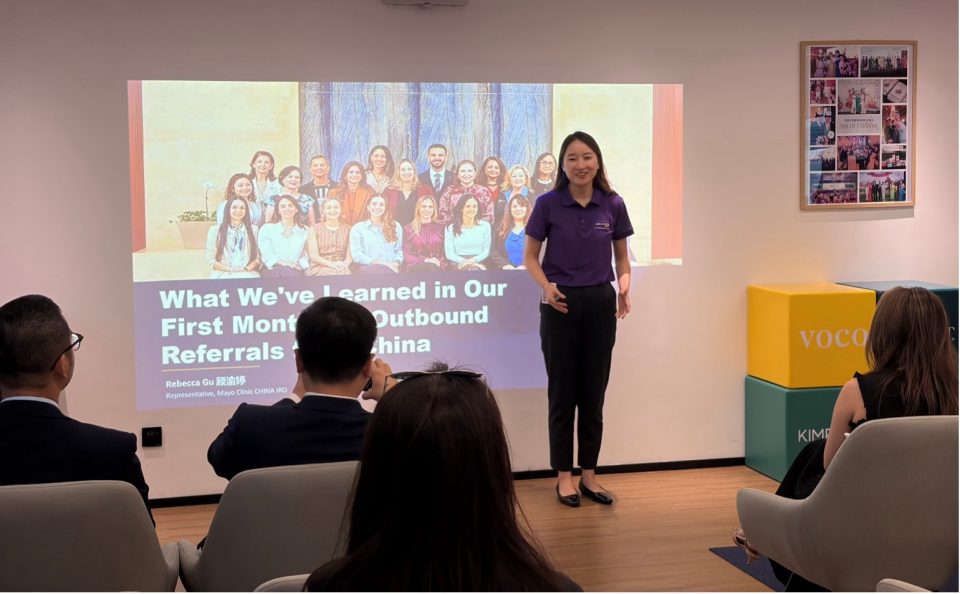
Keynote Session 2: Outbound Care — Mayo Clinic China Representative Office
Rebecca Gu, China Representative at the Mayo Clinic China Representative Office, shared lessons from Mayo Clinic’s first months facilitating outbound referrals from China. Mayo Clinic — ranked #1 in the US for eight consecutive years, with 12 top-ranked specialties, 600+ corporate health clients and 23 international offices — opened its Shanghai office in June 2024 as the first such office on the Chinese mainland, acting purely as a bridge to its US-based resources rather than providing local treatment. Ms. Gu outlined five key lessons from the office’s first months: patient readiness (not physician interest) is the biggest bottleneck; trust is built through a rigorous pre-review process; referral channels perform very differently and mature on different timelines; compliance must be built in from the outset rather than retrofitted; and comprehensive coordination — including continuity of care back in China via a partnership with United Family Healthcare — is a two-way opportunity that builds trust and repeat referrals. She also noted that a typical US second-opinion consultation takes about seven days and costs roughly USD 10,000–20,000, making it accessible to a broader range of families than commonly assumed.
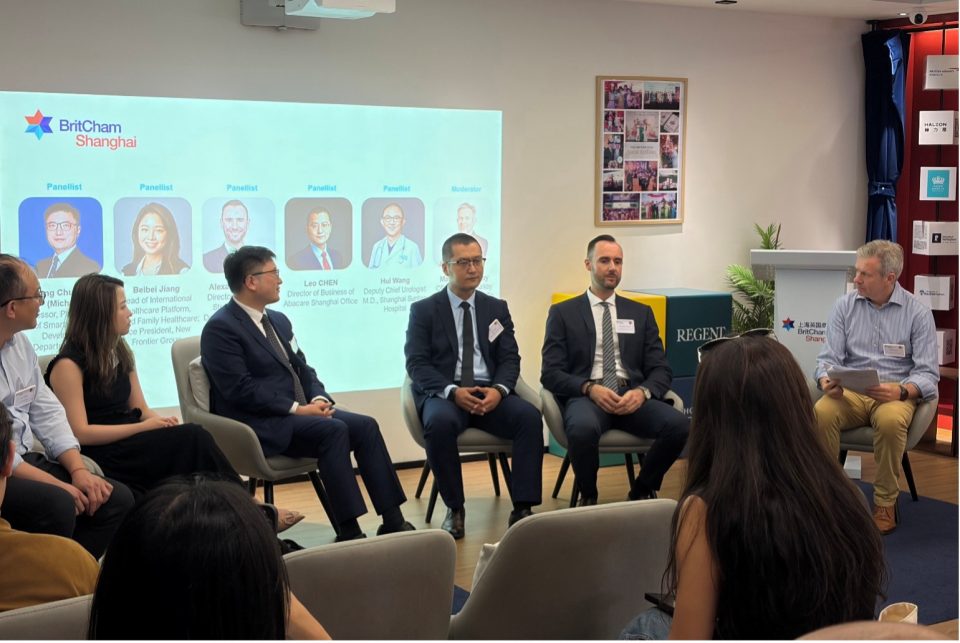
Panel Discussion & Open Dialogue
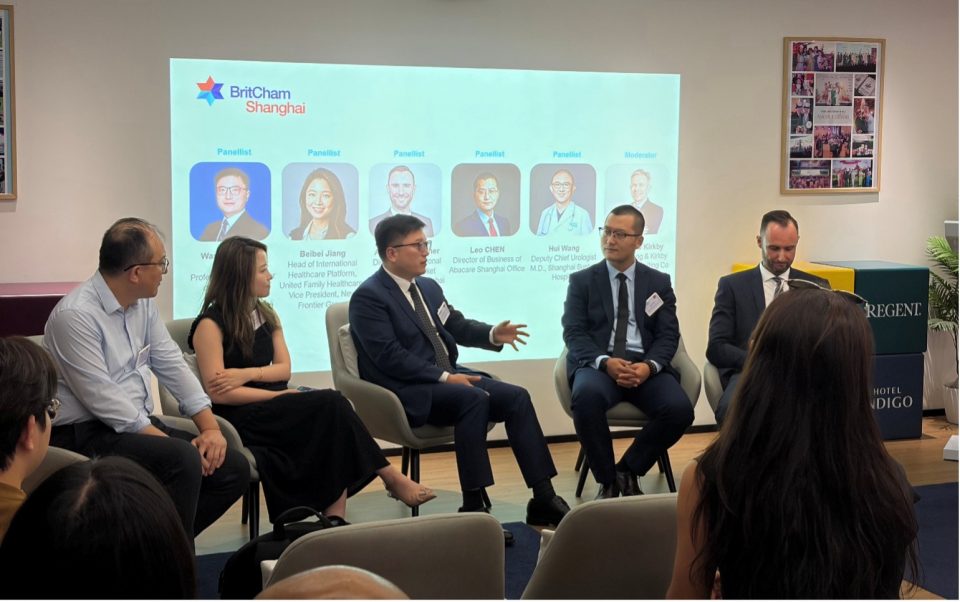
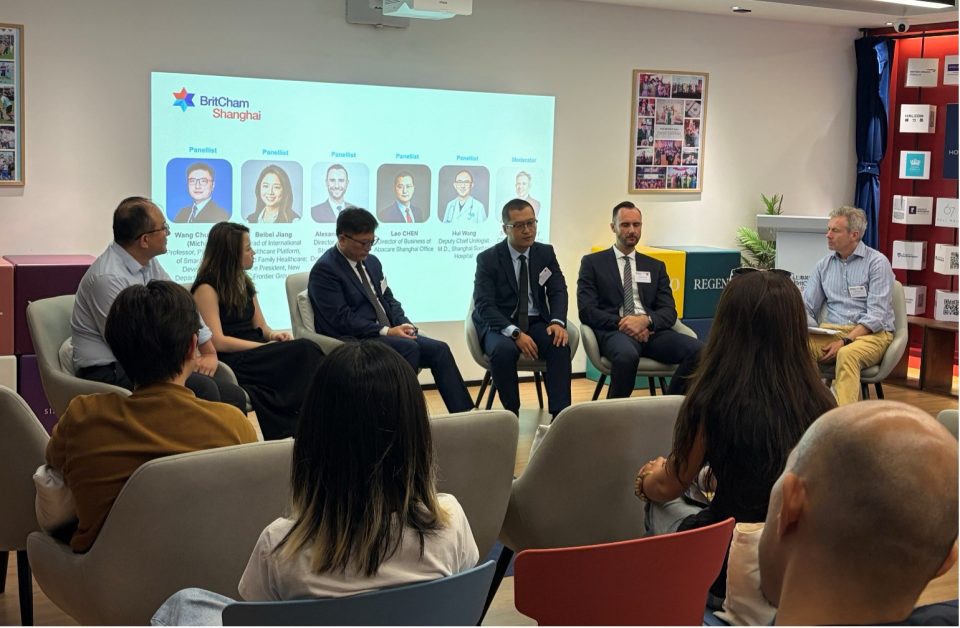
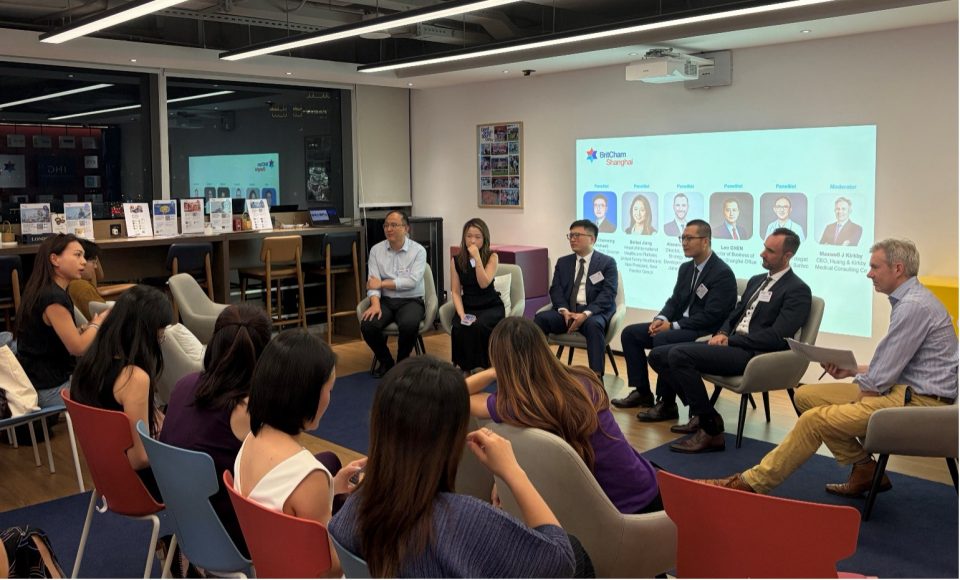
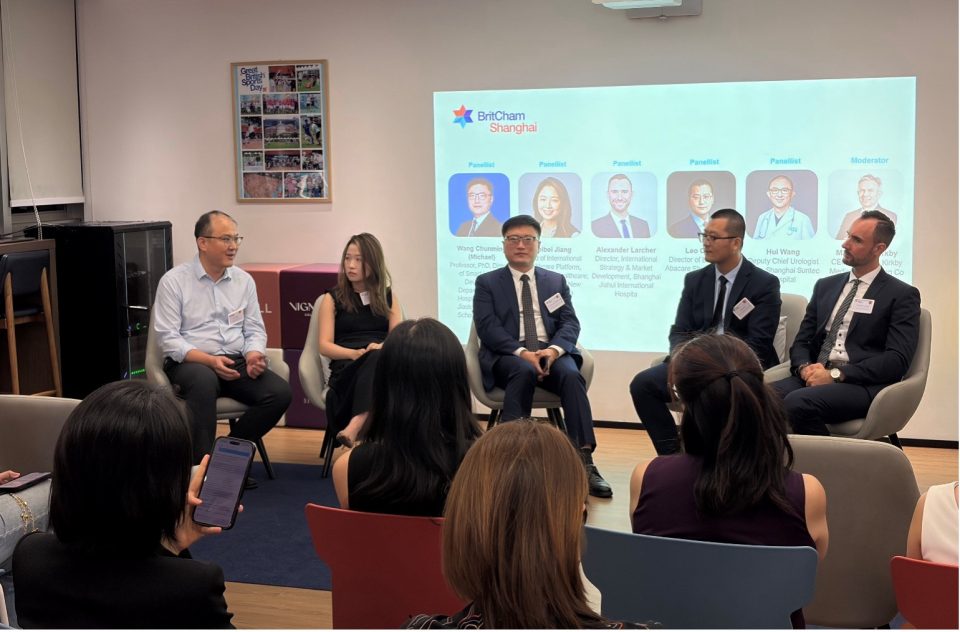
The panel was moderated by Maxwell J Kirkby (CEO, Huang & Kirkby Medical Consulting Co.) and included:
Typical Patient Journeys
Asked to describe typical patient journeys, Alexander Larcher noted there is no single standard journey, but broadly three types of medical traveller:
China / Shanghai as an Inbound Destination
Michael Wang (Renji Hospital) reflected on Shanghai’s strengths and constraints as an inbound destination:
The Outbound Patient Journey and the Role of Insurance
Leo Chen (Abacare) shared perspective from the insurance side of outbound referrals:
Considerations for Patients, Doctors and Hospital Management
Panellists highlighted considerations across three groups involved in cross-border care:
Key Takeaways
Closing Remarks
Maxwell J Kirkby closed the session by thanking Dr. Xuan and Ms. Gu for their case study presentations, and the panellists for an open and candid discussion. He noted his hope that China’s cross-border healthcare providers — public and private — could one day be represented together under a more coordinated national strategy, raising international awareness of the quality of care available in China.
BritCham Shanghai thanked all speakers, panellists and attendees for their time and contributions, and looks forward to continuing to convene conversations that connect Shanghai’s international healthcare community.