

On 16 June 2026, BritCham Shanghai hosted “Street Retail is Back. But Who’s Pulling the Strings?” with the support of the Shanghai Hengfu Economic Development Company.
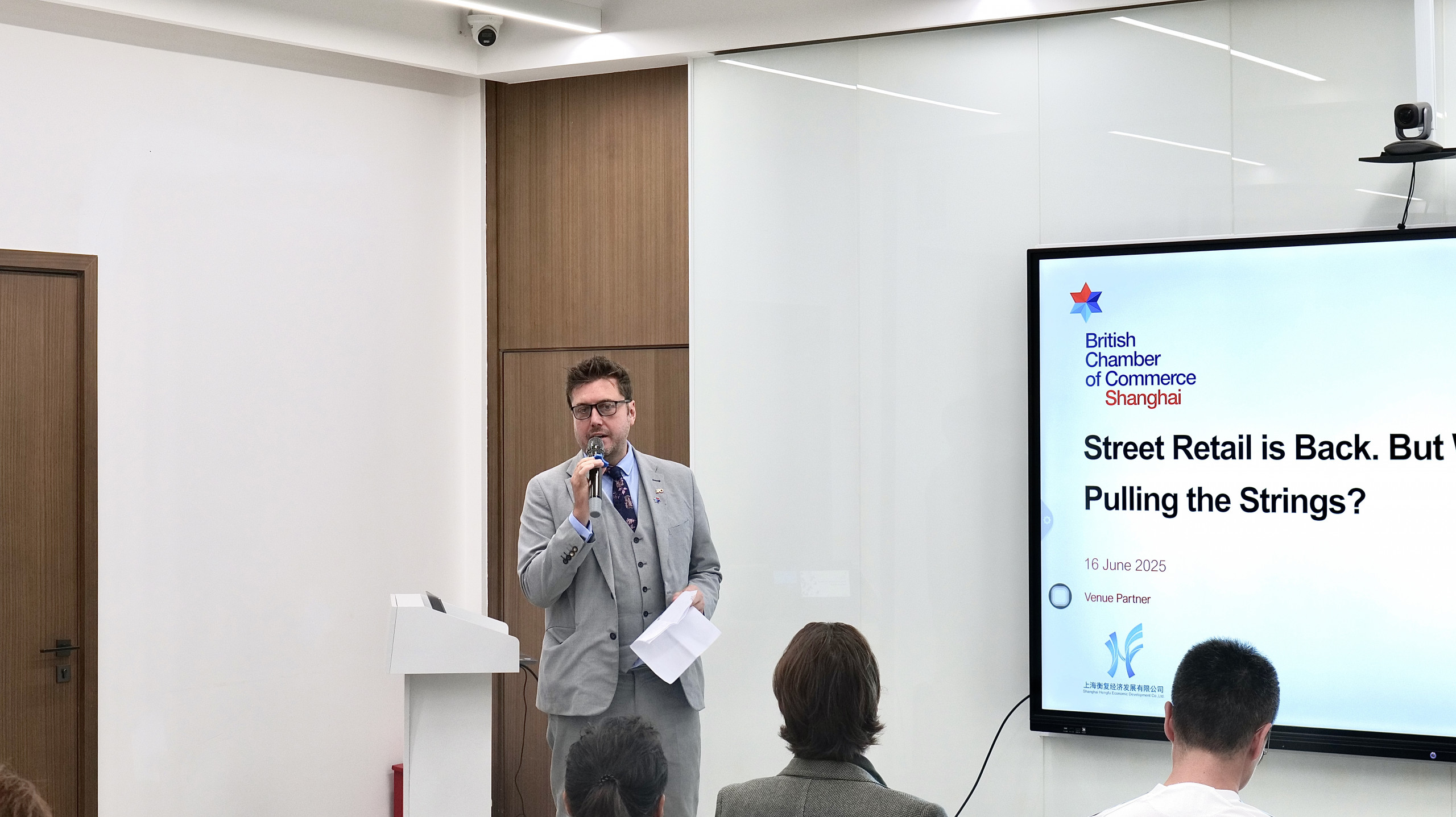
Setting the tone, Stuart Dunn, Executive Director of BritCham Shanghai, opened with a pointed observation: the reality of retail has fundamentally shifted. Today’s consumers are no longer satisfied with a standard mall experience. What they seek instead is value for money, instant satisfaction, and above all, spaces that make them feel something the moment they step off the street.
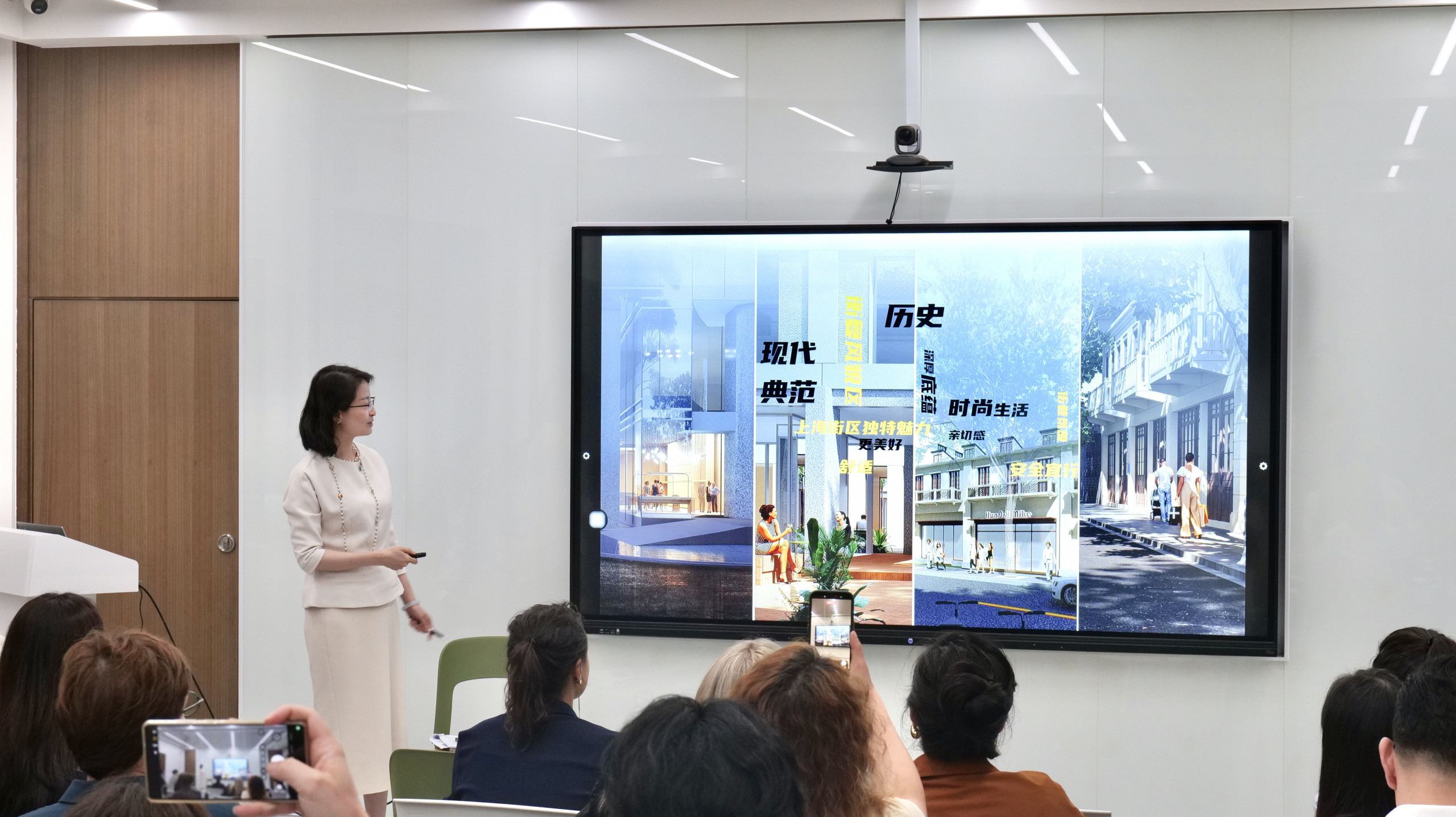
The keynote was delivered by Mrs. Yang Xiaojie, Director of the Commission of Commerce at Shanghai Xuhui People’s Government, who offered a revealing look at how Xuhui District has taken a deliberate, zoning-based approach to curating its street retail landscape. The district has divided its key commercial corridors into four distinct areas, each designed to attract a different tier and type of brand.
Underpinned by a long-standing urban development vision, the district has actively intervened to unlock new commercial opportunities, including repurposing former farmland along key routes to open heritage buildings for retail activation. Her overarching message was clear: Xuhui’s thriving street retail scene is the product of conscious government stewardship, not market forces alone. The district plays an active curatorial role in shaping who comes, where they go, and what kind of experience the street ultimately delivers.
The panel discussion, moderated by Zino Helminger, Senior Director at CBRE, brought together landlords, brands, government, and designers to unpack the true mechanics behind street retail’s return. In addition to Mrs. Yang Xiaojie, panelists included Stuart Grant, Executive Director and Chief Executive of West Bund Central Shanghai; Romain Poirier, Founder of French House Design; and William Sun, Vice President for Marketplace and Franchise at Adidas Greater China. Together, they examined how long-term urban planning, consumer-driven location strategy, and heritage-sensitive design are collectively shaping Shanghai’s most dynamic retail streets.
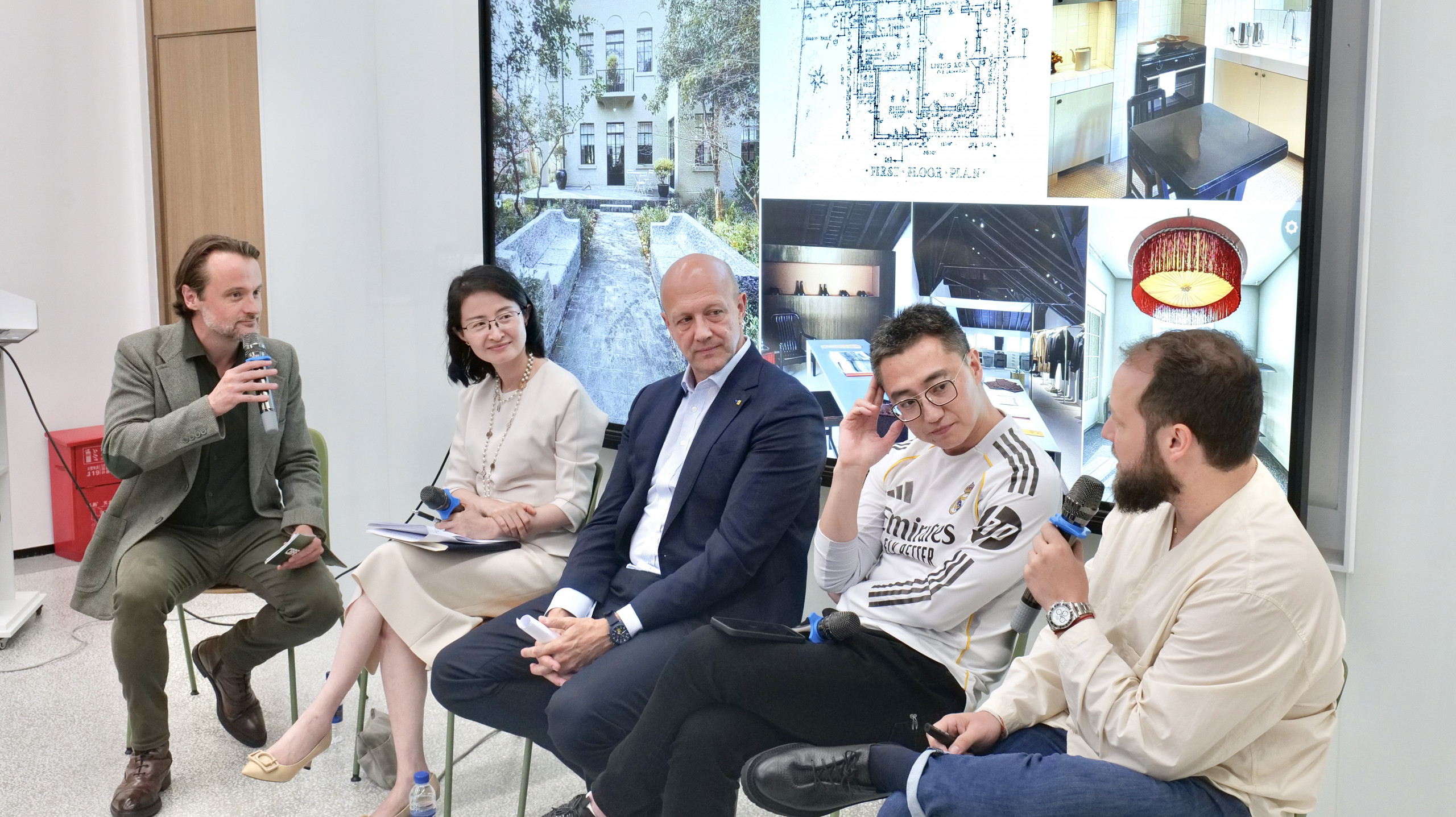
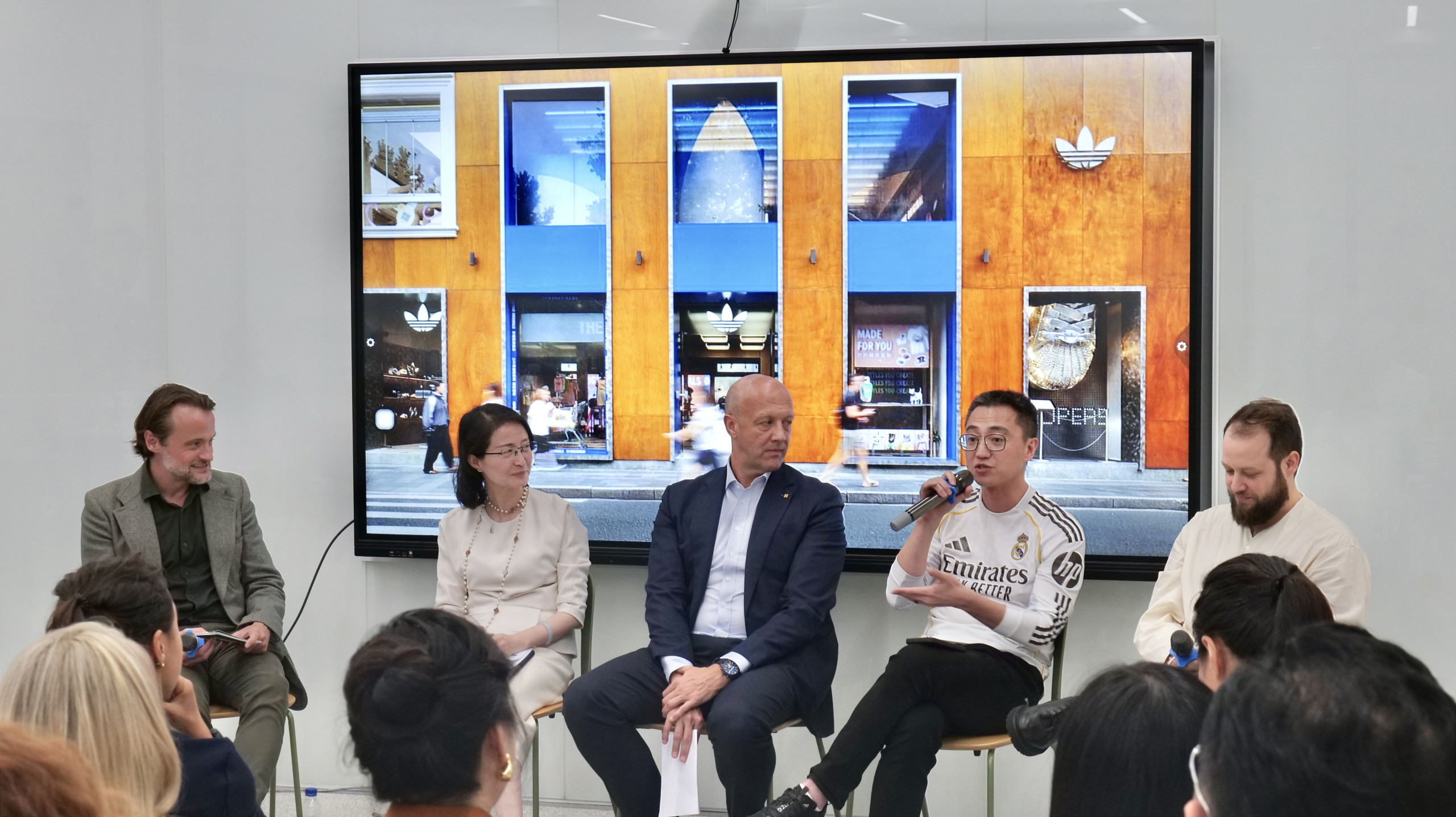
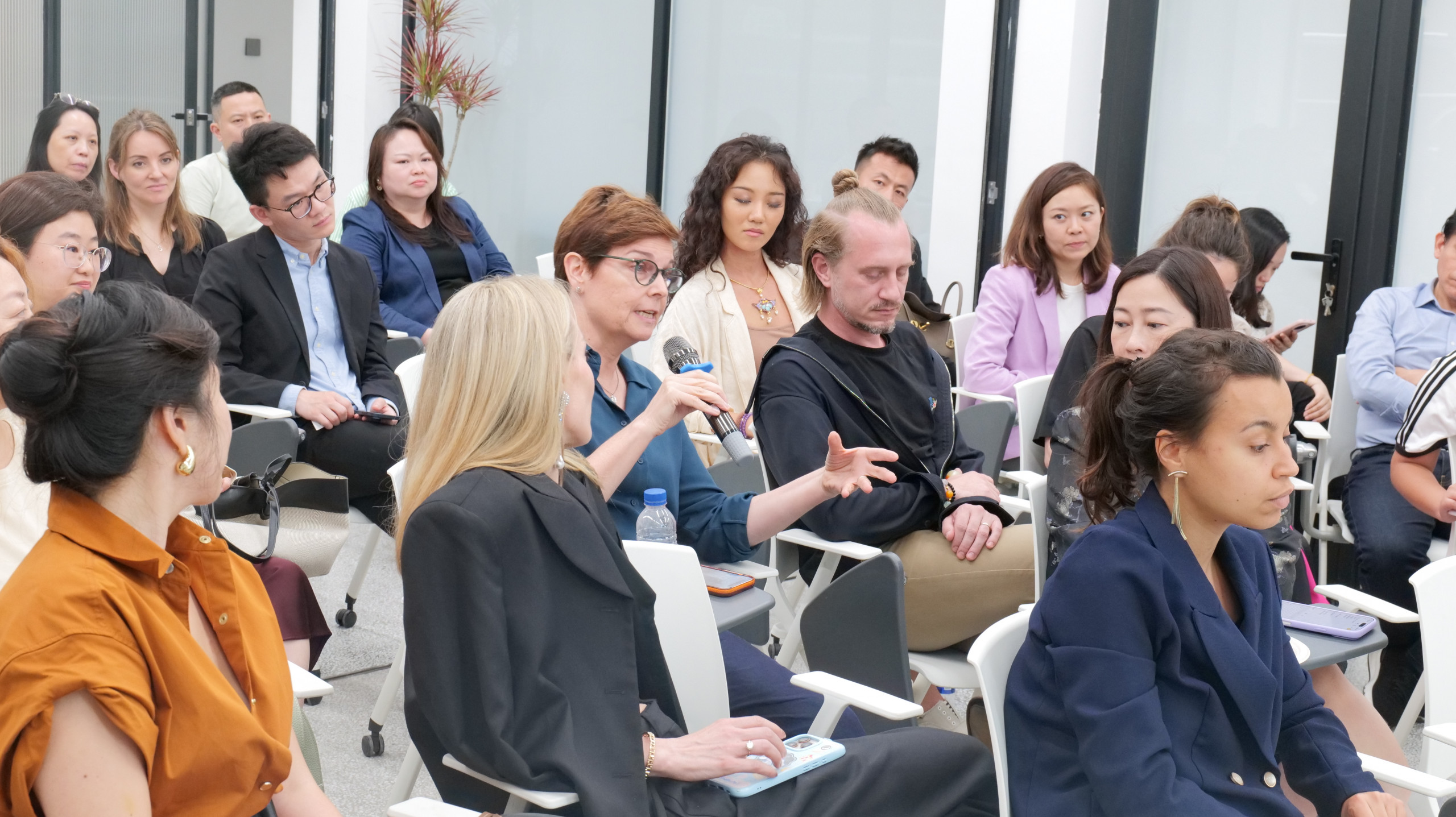
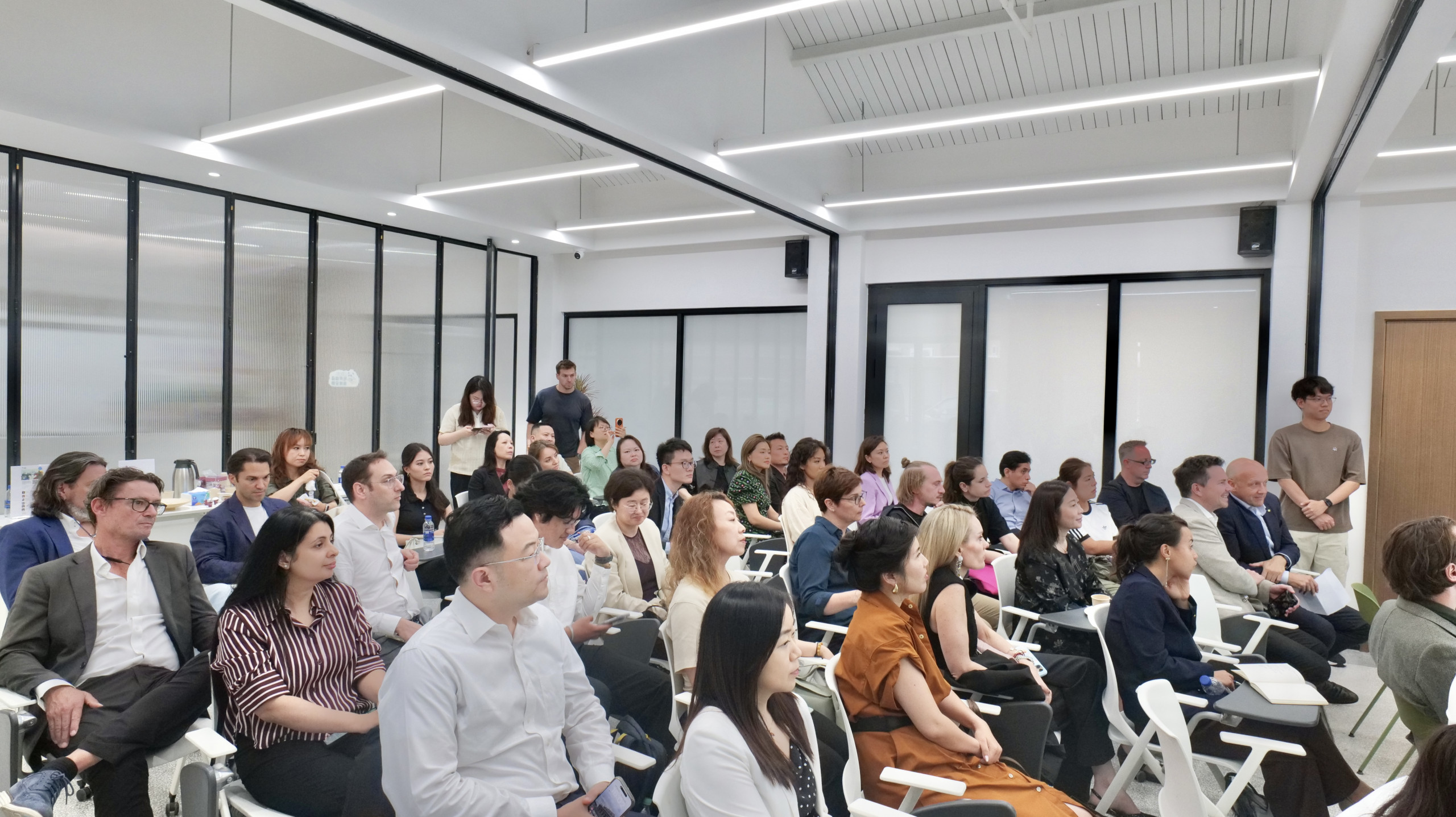
The discussion also tackled a harder question: what happens when a street’s own success becomes its greatest threat? Rising rents risk displacing the very tenants that gave a street its character and appeal in the first place. No easy answers emerged, but the panel was united in one conviction that bold decision-making, sustained collaboration, and a shared commitment to long-term vision over short-term gain are what separate the streets that endure from those that simply fade. The discussion was attended by a full capacity audience, with all participants exhibiting a notably high level of enthusiasm.
That message was brought vividly to life during the group’s final visit to Too Summer (观夏) on Hunan Road, a firsthand demonstration of how heritage, brand identity, and experiential design can converge to create a destination that stops people in their tracks and keeps them coming back.