

On 15 April 2026, BritCham Shanghai and the Institute of Directors (IoD) co-hosted “An Evening of Insight: Issues for the Board in a World of Turmoil,” bringing together board directors, business leaders, and governance professionals to explore the most pressing challenges facing corporate boards in an increasingly volatile global environment.
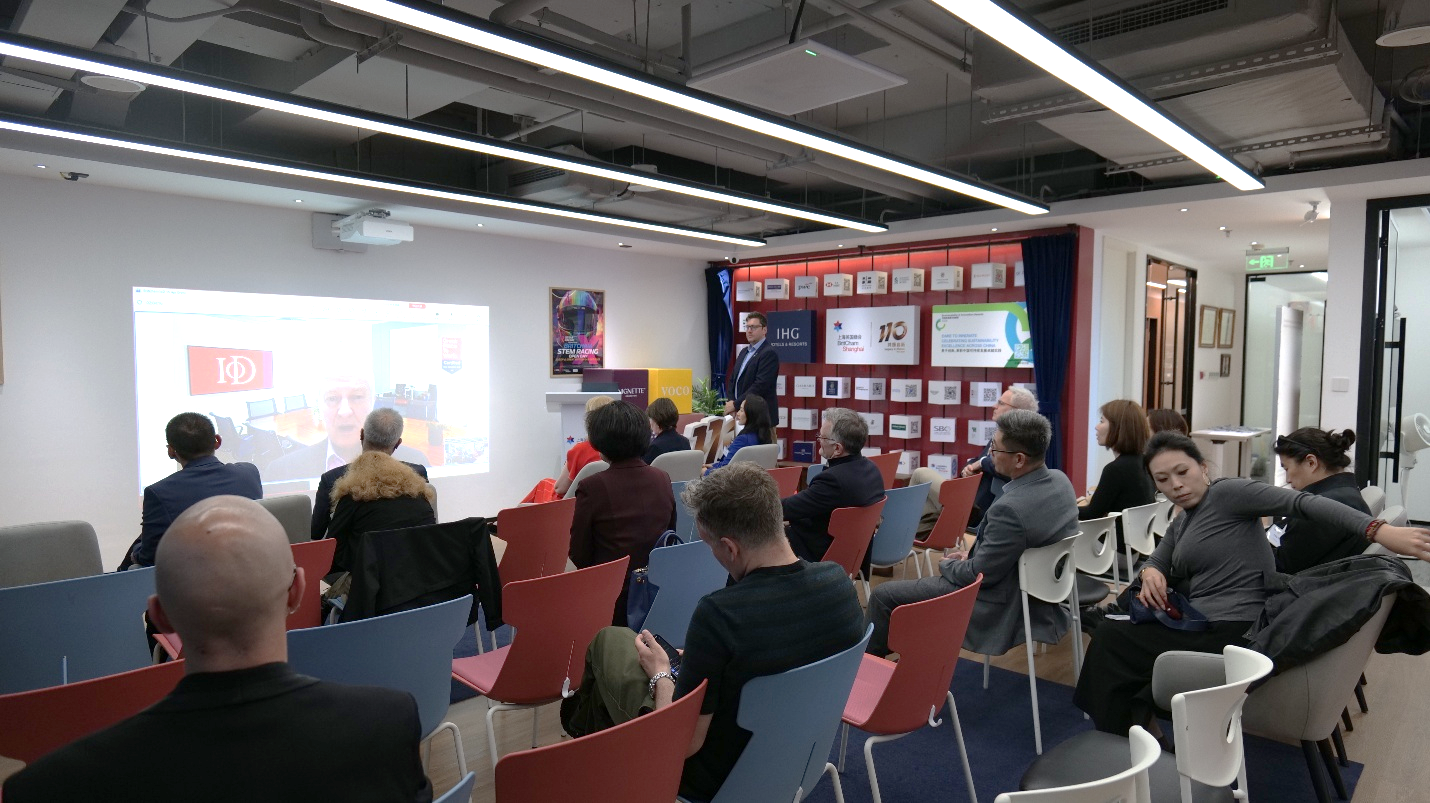
Stuart Dunn, Executive Director of BritCham Shanghai, opened the evening with a warm welcome to attendees. Jonathan Geldart (Hon DBA, FIoD, Cert IoD, FRGS), Director General of the Institute of Directors, delivered the hybrid opening remarks. He framed the evening around a fundamental question that confronts every board in times of turmoil: how do organisations not merely survive, but thrive? His remarks underscored the need for boards to move beyond reactive crisis management towards proactive, strategic leadership.
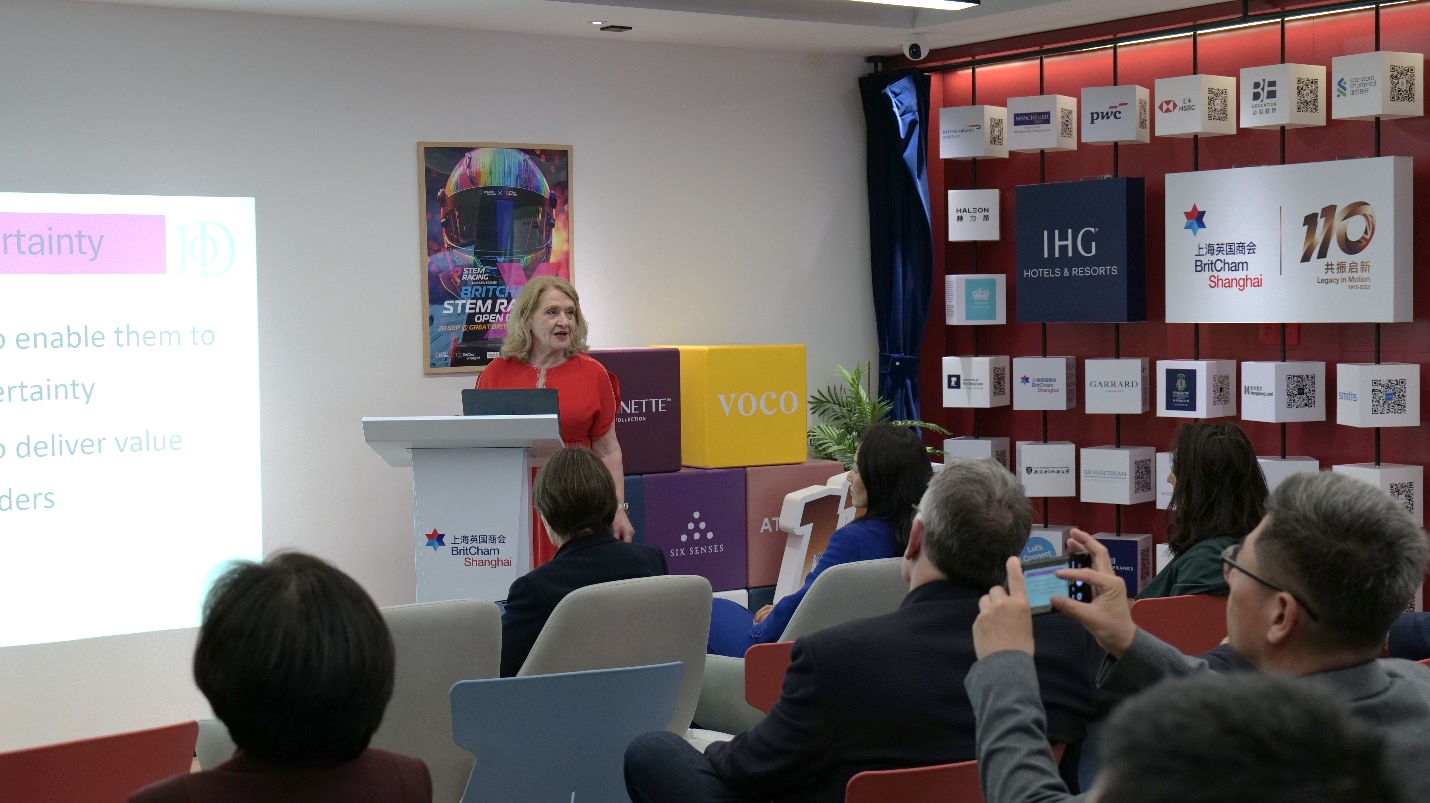
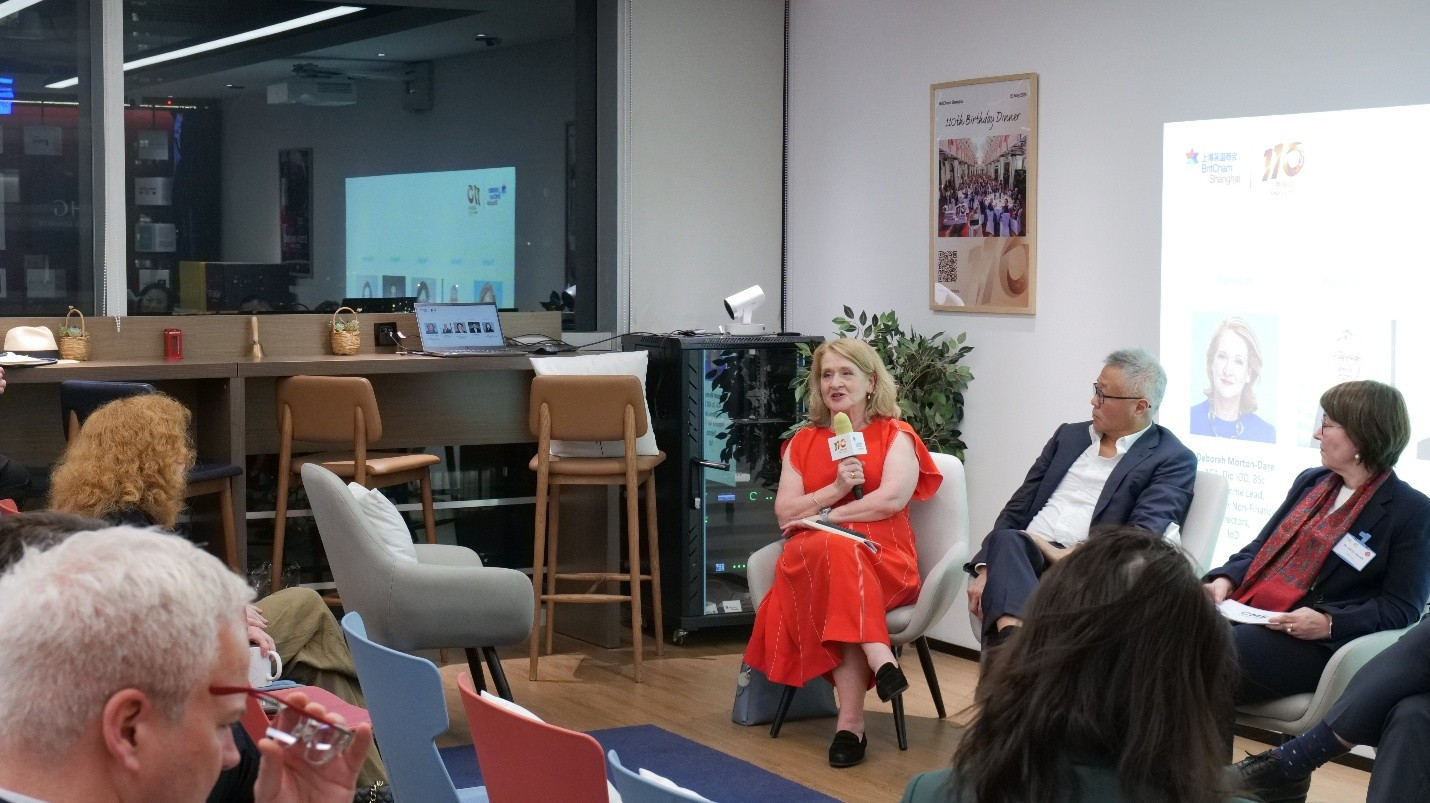
Deborah Morton-Dare, Programme Lead for Finance for Non-Finance Directors at the Institute of Directors, delivered a keynote presentation that challenged traditional assumptions about corporate governance. She argued that the skills required of board members have changed dramatically over the past decade, and the traditional shareholder value model is increasingly outdated. In its place, she advocated for a stakeholder value approach, stating that “no company’s purpose is to make a profit” but rather to deliver value to employees, customers, suppliers, and the community—with financial returns following as an outcome. Deborah also reframed resilience beyond financial metrics, emphasising that true organisational resilience requires strategic clarity, cultural resilience, and strong shareholder relationships. On risk governance, she urged boards to see risk as equally about opportunity as it is about threat, advising directors not to bury their heads in the sand but to be courageous and seize opportunities even in turbulent times.
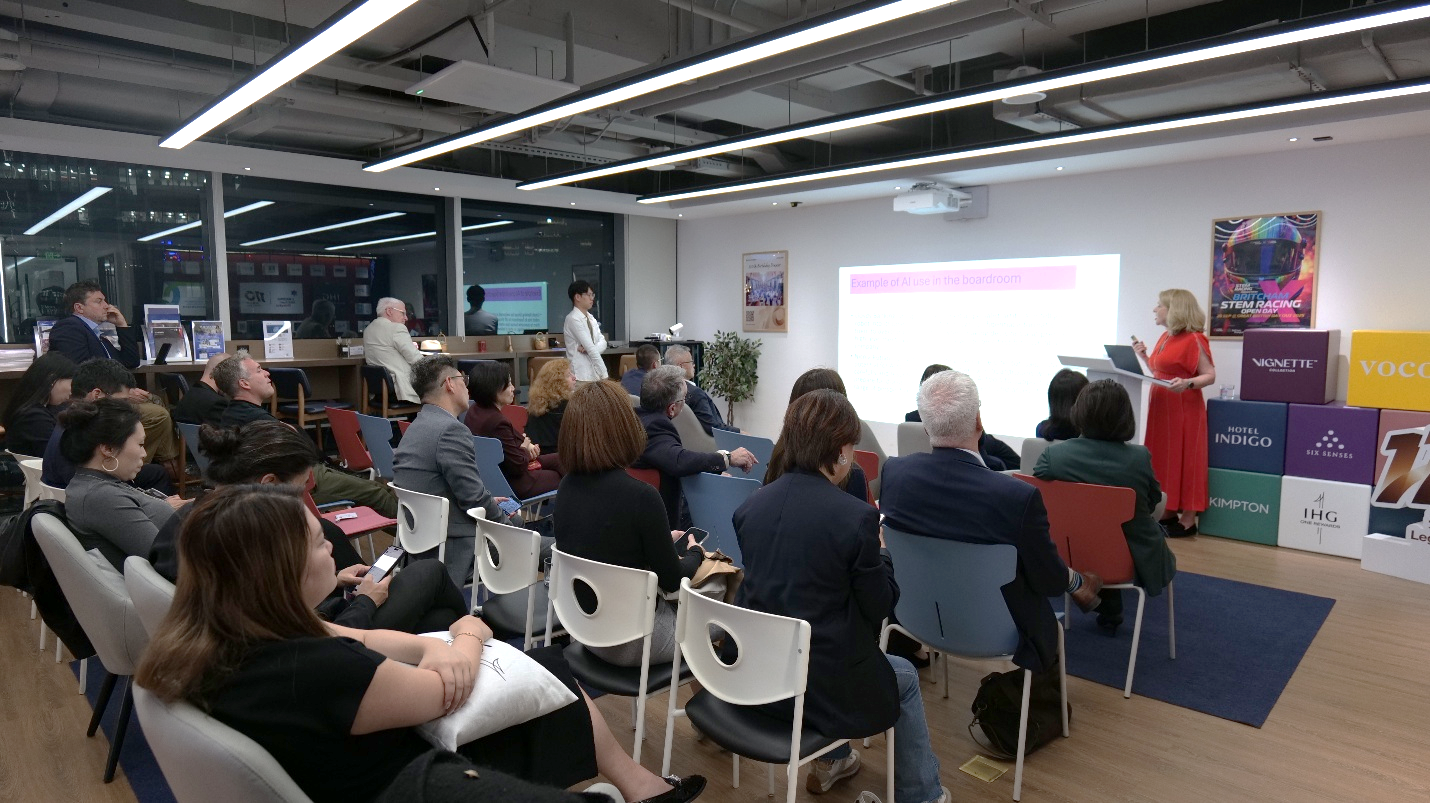
Looking to the future, Deborah addressed the emerging role of artificial intelligence in the boardroom, sharing the example of a major UK retail bank that has become the first listed company to appoint specialist AI officers to analyse board papers, filter confidential information, remove human bias, and highlight inconsistencies. She described this as “absolutely an experiment” but noted real potential for supporting decision-making when used carefully and responsibly. However, she struck a note of caution: AI is a tool, not an oracle—”rubbish in equals rubbish out”—and it cannot replace human judgement, empathy, or strategic thinking. She also warned against using open-source AI tools for confidential board information, noting that “they will never allow AI to have a vote.” Deborah concluded by introducing the IoD’s Director Competency Framework and challenging directors to remain proactive, asking not “Are we surviving?” but “Are we thriving?”
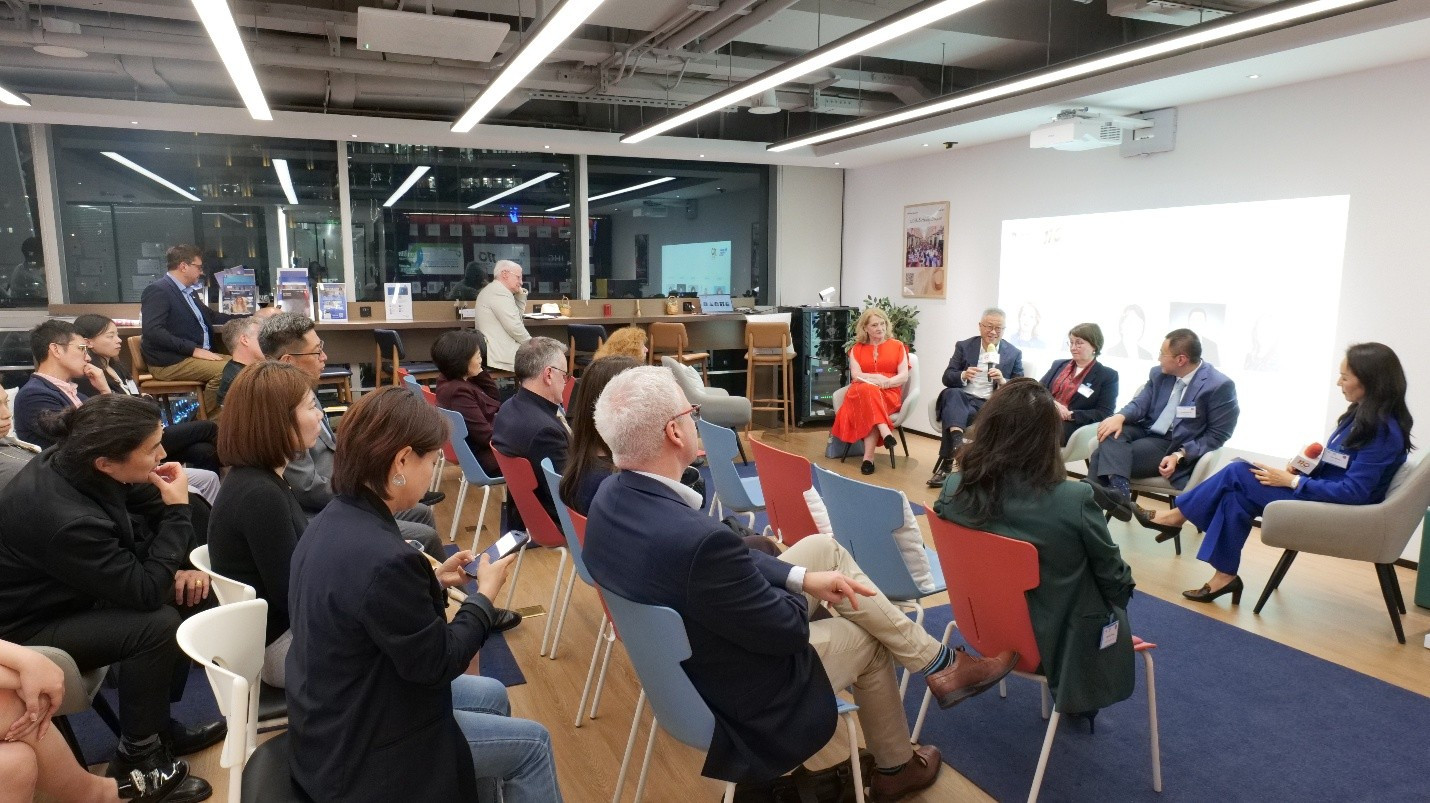
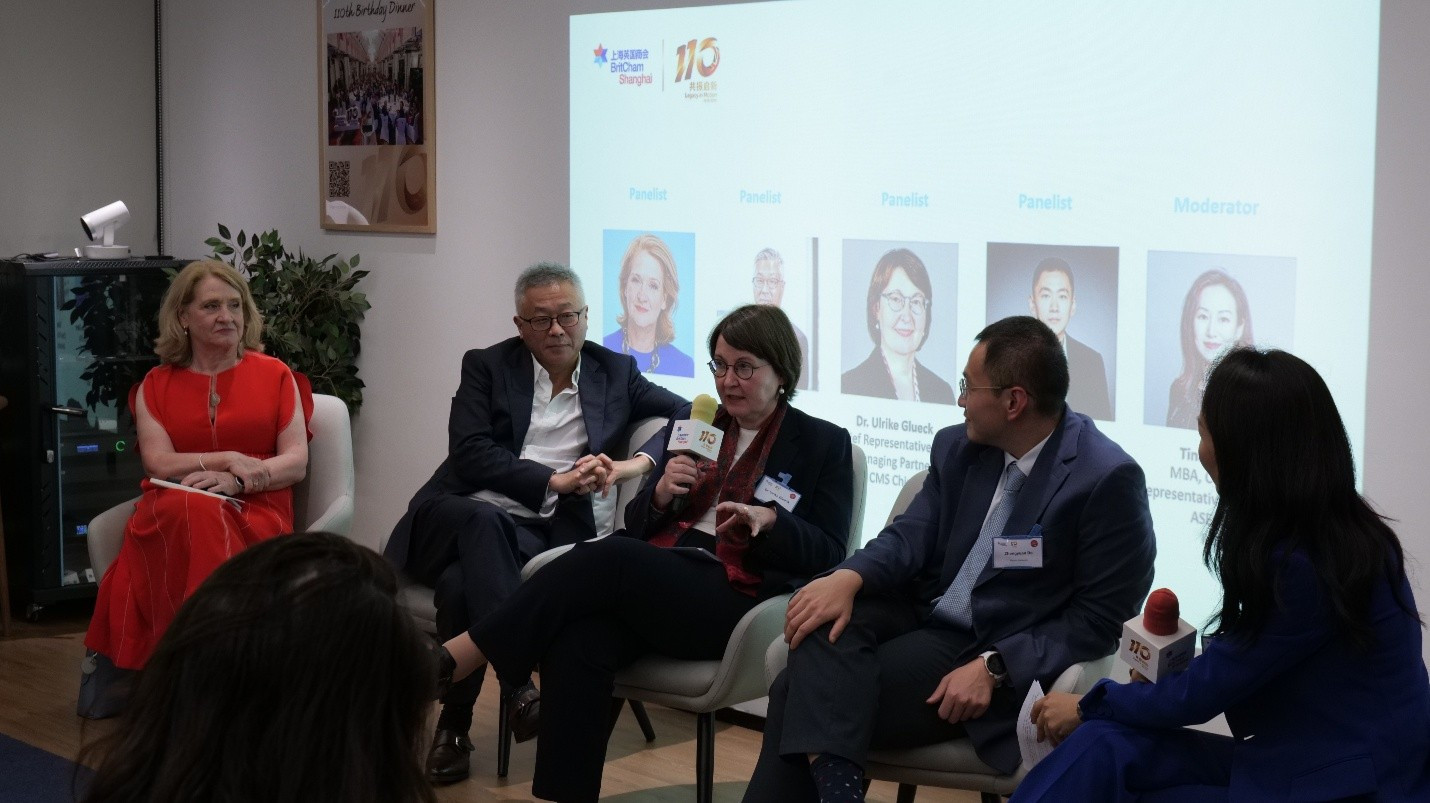
Following the keynote, a panel discussion brought together experts from legal, economic, and strategic communications backgrounds to explore the practical implications of these boardroom challenges.
The panel discussion was moderated by Tina WANG, MBA, Cert. IoD, Representative in China & ASEAN, IoD. The keynote speakers included Deborah Morton-Dare, ACA, Dip IOD, BSc, Programme Lead for Finance for Non-Finance Directors at the IoD; Sitao Xu, Chief Economist at Deloitte China; Dr. Ulrike Glueck, Chief Representative and Managing Partner at CMS China; and Zhengyuan Bo, Founding Partner at Plenum Research.
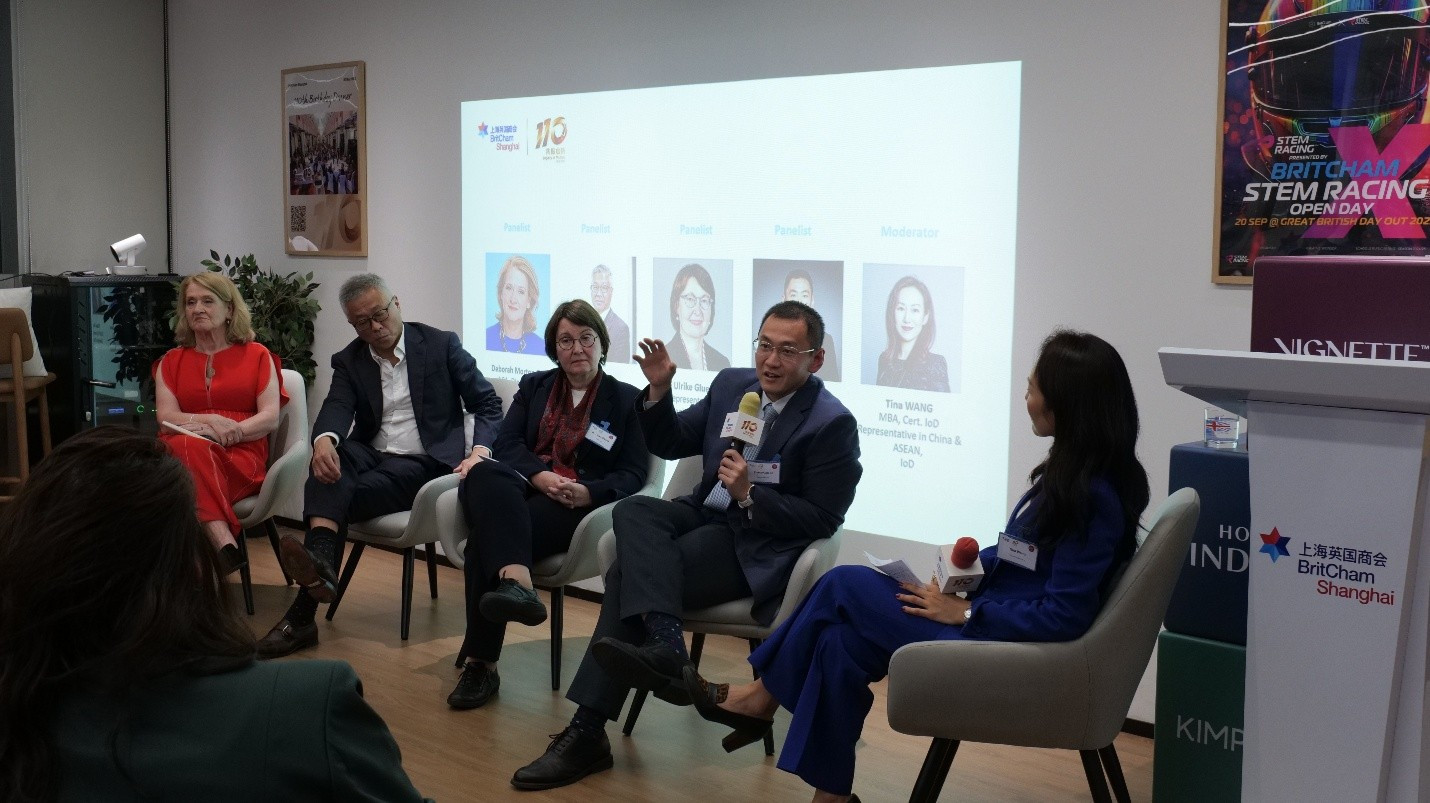
Topics addressed included managing contradictory cross-border regulations, building supply chain resilience in a fragmented world, the role of transparency in risk communication, and cultural differences in board governance across jurisdictions. The evening concluded with an interactive Q&A session, allowing attendees to engage directly with the speakers on the issues most relevant to their own organisations.
The “Evening of Insight” made clear that boards today operate in an environment of unprecedented complexity. Yet the message was not one of despair but of challenge and opportunity. Boards that embrace stakeholder value, build genuine resilience, harness AI as a tool rather than an oracle, and cultivate self-awareness will be well-positioned not merely to survive the turmoil but to thrive through it. As Deborah powerfully concluded, the question every director must ask is not “Are we surviving?” but “Are we thriving?” Looking ahead, the organisations that succeed will be those that proactively shape their futures, embed resilience into their culture, and recognise that the ability to listen, adapt, and lead across cultures is not a soft skill but a strategic imperative.
BritCham Shanghai remains committed to equipping business leaders with the insights, connections, and frameworks needed to navigate this turbulent landscape. Through its committees and a growing portfolio of events, the Chamber serves as a vital platform for cross-border dialogue, bringing together UK and Chinese perspectives on the most pressing governance challenges of our time. As the world continues to shift, BritCham Shanghai will continue to convene the conversations that matter—helping boards move from insight to action, from survival to thriving.