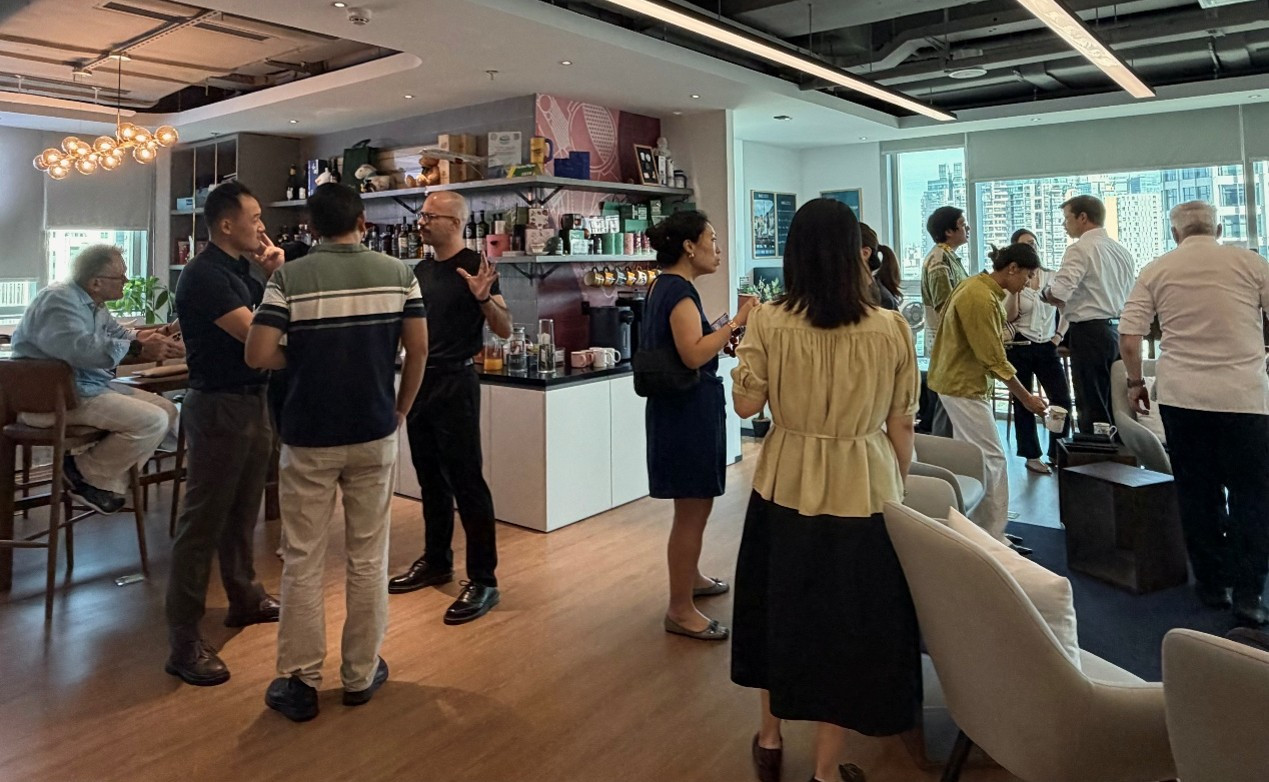


On 15 July 2026, the BritCham Shanghai People & Culture Committee hosted a roundtable discussion titled “Skills as Strategy: Building a future-ready workforce.” The session brought together industry professionals for an interactive dialogue on how organisations can move beyond traditional job-based structures and adopt a skills-based approach to enhance workforce agility, improve internal mobility and strengthen long-term business resilience.
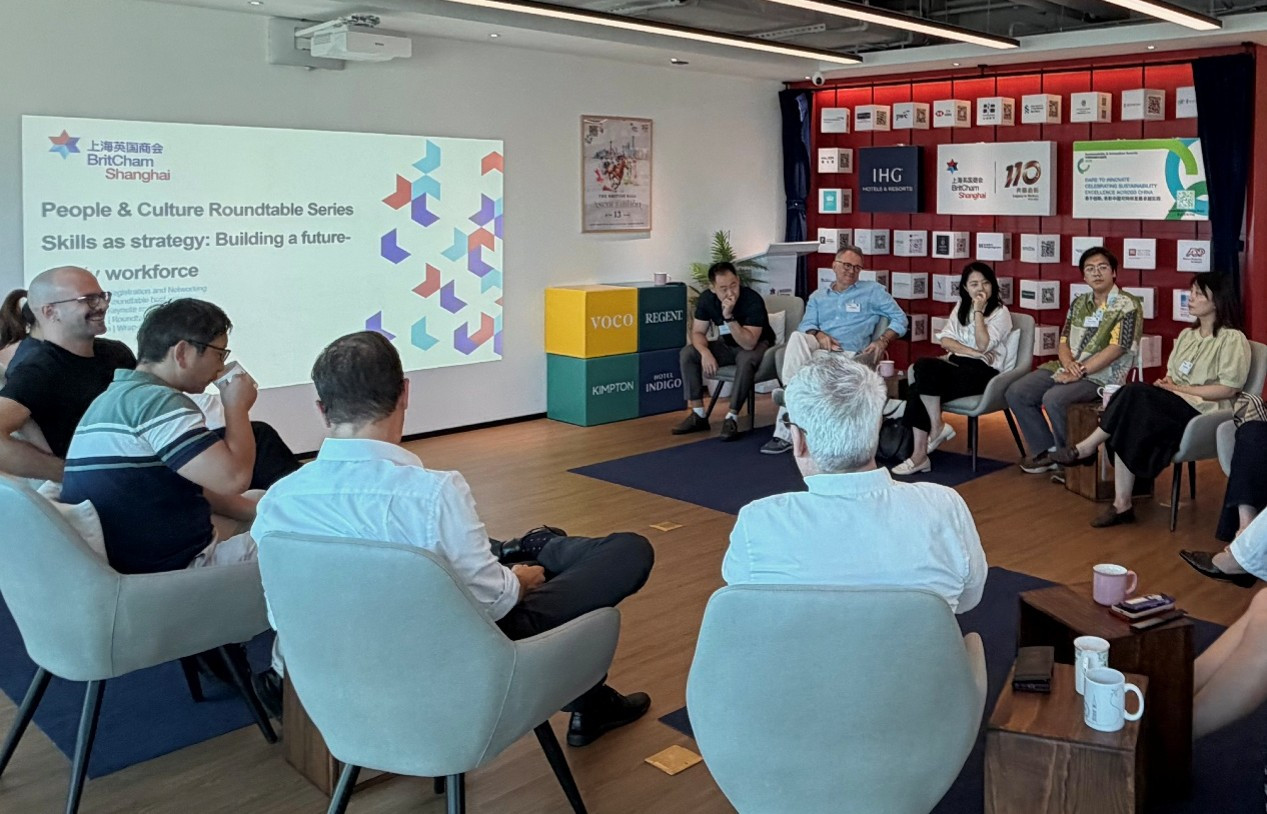
The event was warmly opened and hosted by Fabrizio Ulivi,
Managing Partner at Shi Bisset & Associates and the Chair of the BritCham People & Culture Committee, who welcomed all attendees and set an engaging tone for the morning’s conversation.
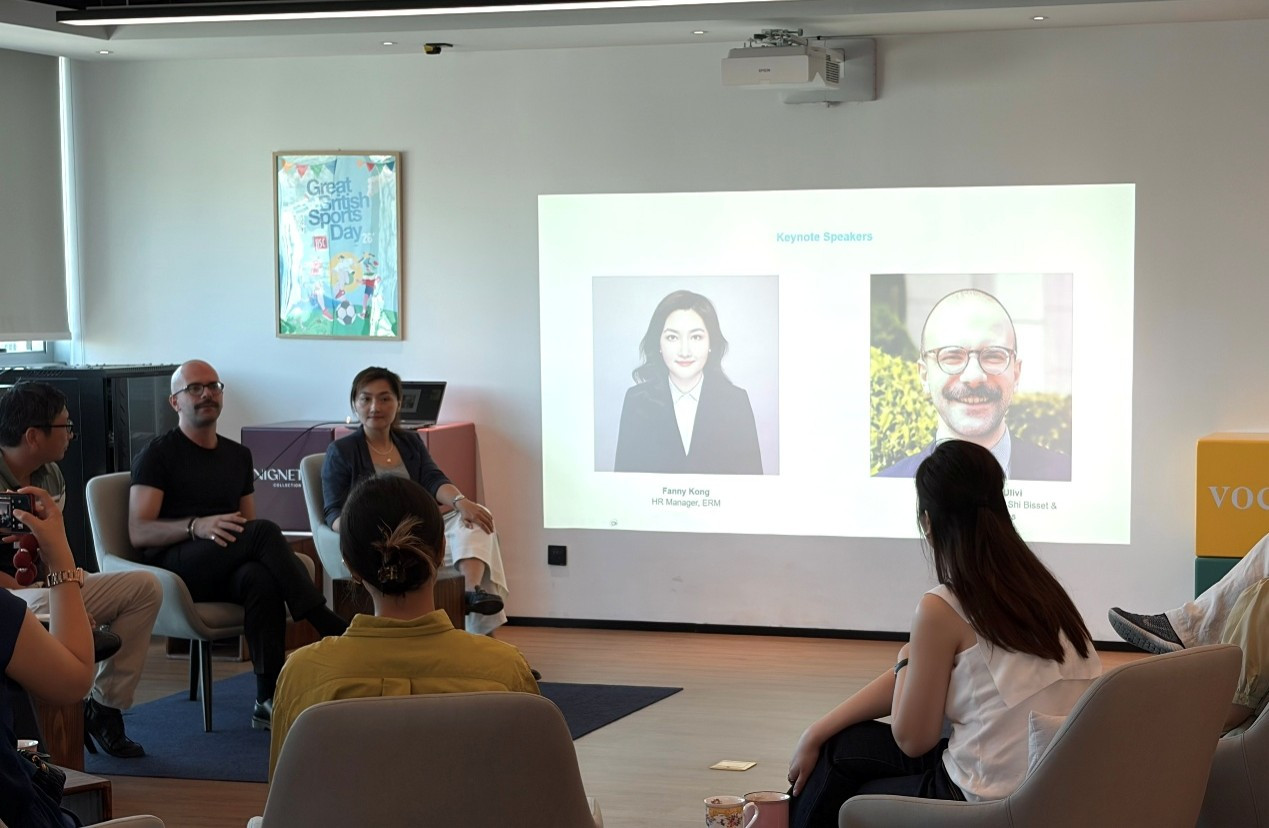
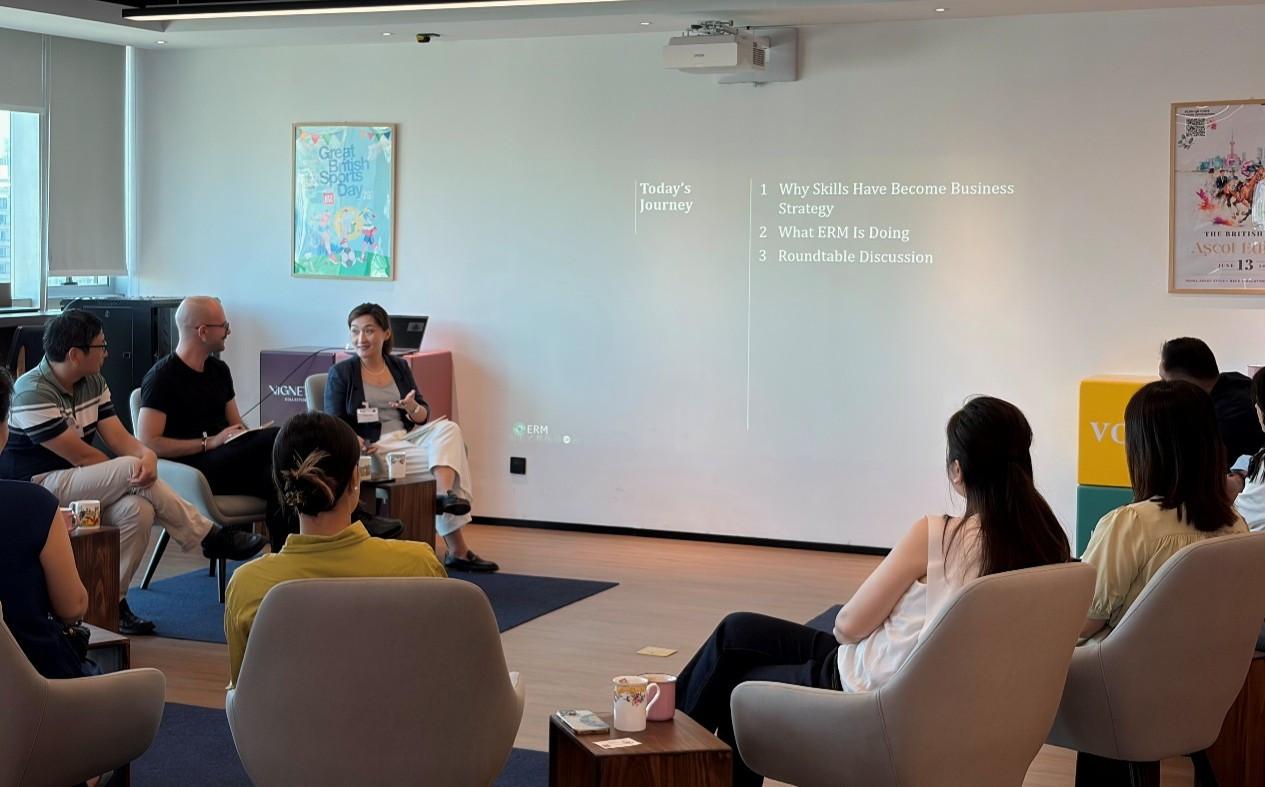
The discussion was led by Fanny Kong, HR Manager at ERM, who shared ERM’s practical experience in implementing a skills-based framework — from global strategy development to on-the-ground challenges in the China market. Drawing on ERM’s ongoing global skills transformation journey, Fanny shared practical insights into how a large professional services organisation is building greater visibility of workforce capabilities and supporting future talent decisions through a skills-based approach.
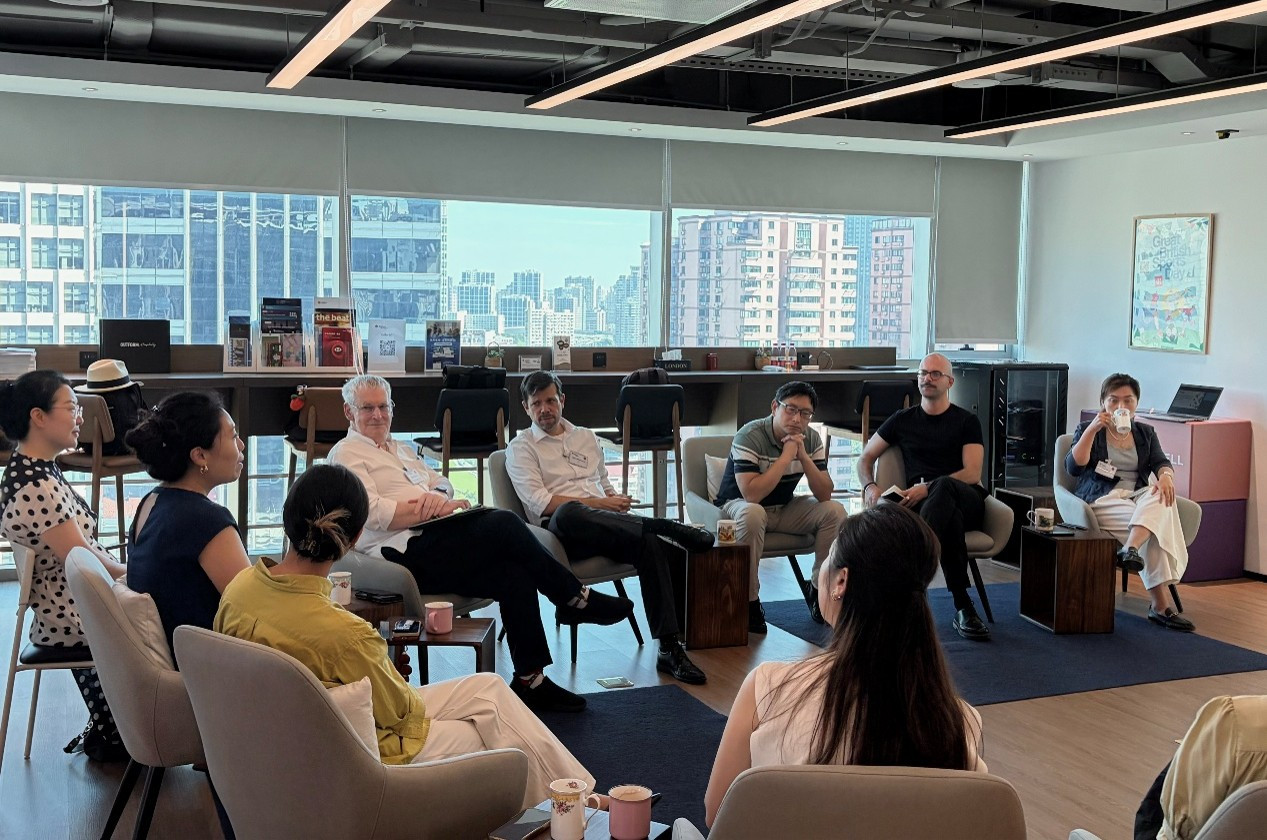
Key Discussion Points
What is a Skills-Based Organization?
This represents a fundamental mindset shift: moving from “people in jobs” to “skills in work”, enabling people to contribute across different projects based on their skills and capabilities.
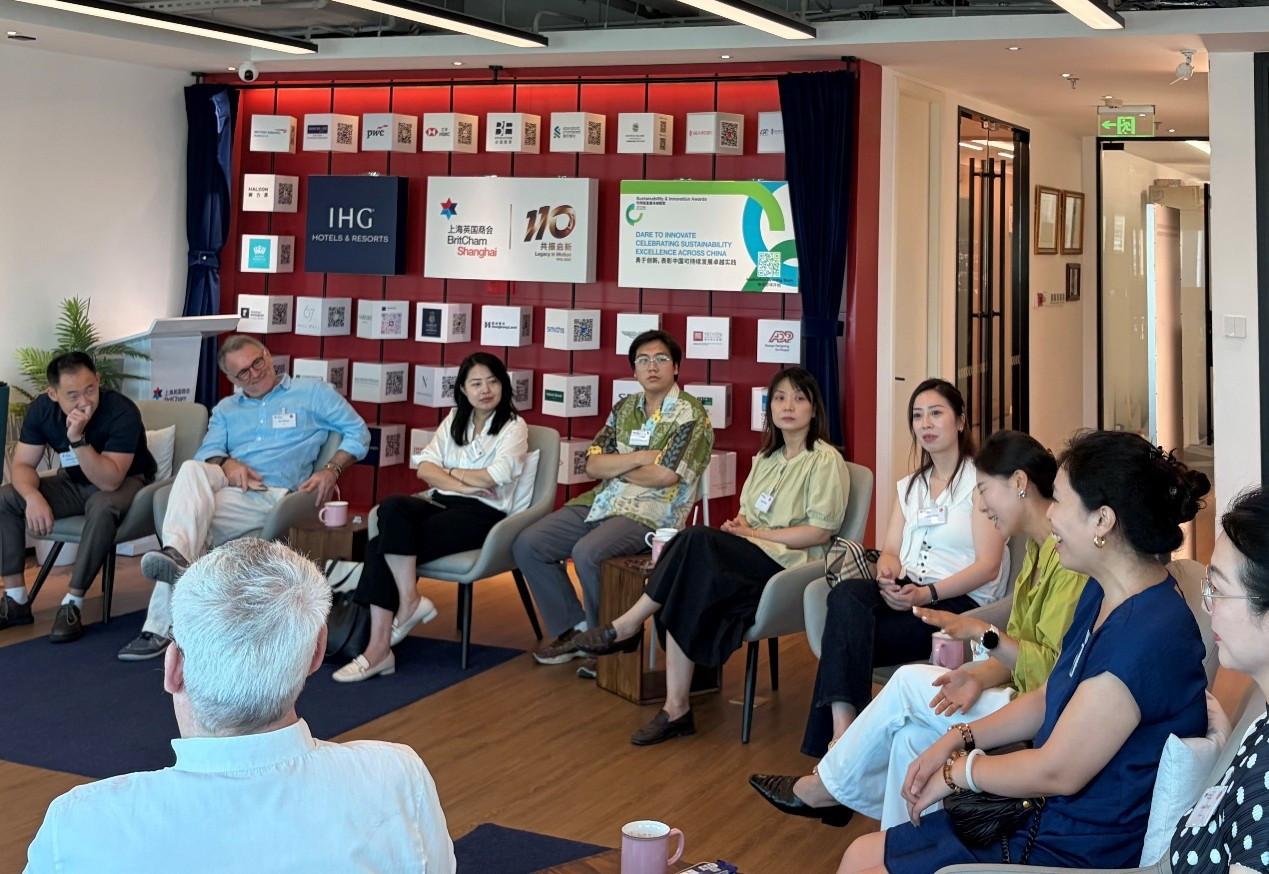
ERM’s Implementation Journey
Fanny Kong walked participants through ERM’s global skills framework, which organises capabilities into three categories:
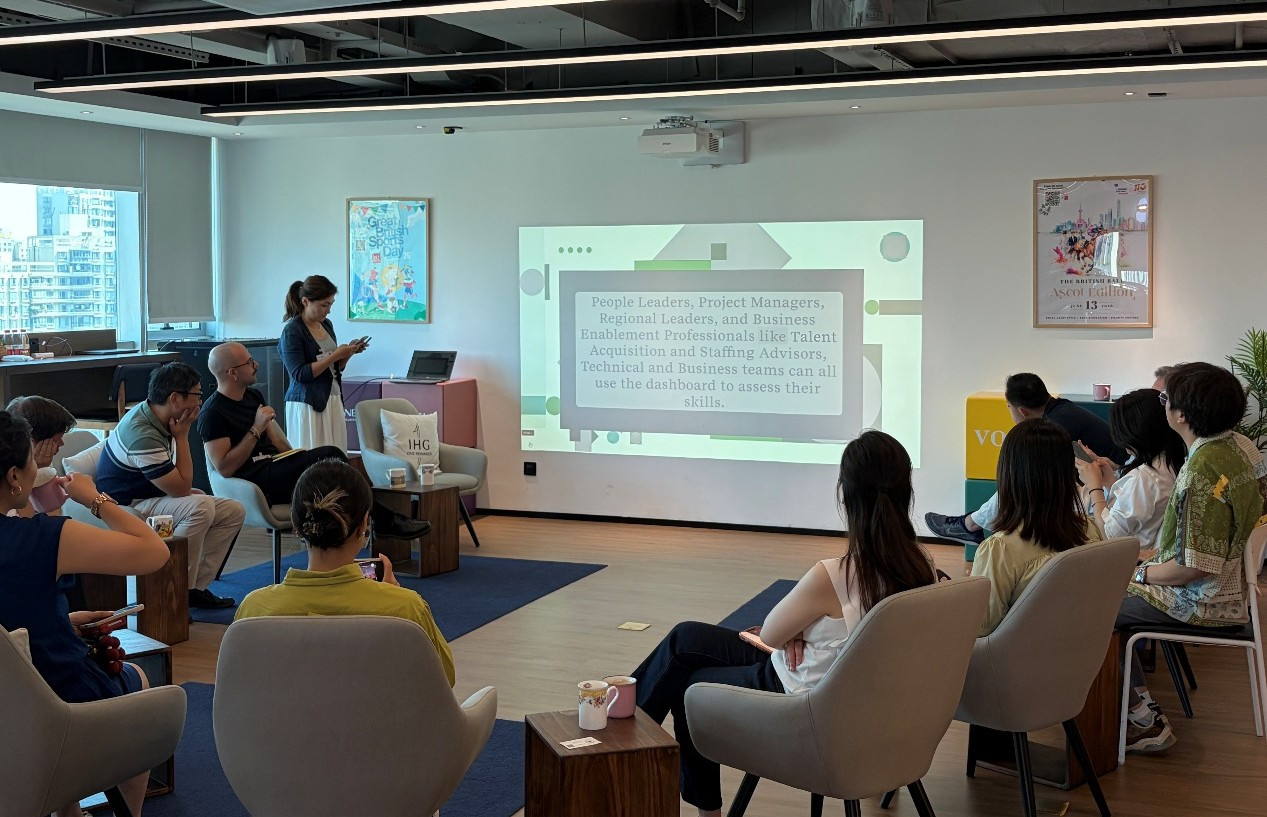
A key tool introduced was the Skills Dashboard — an internal platform where employees self-assess their skills, managers validate them, and project leaders search for talent based on specific capabilities.
Challenges in Implementation
The discussion was honest about practical difficulties:
Many participants noted that the challenge is not technology itself, but creating the behavioural and cultural changes required for adoption.
Strategic Alignment
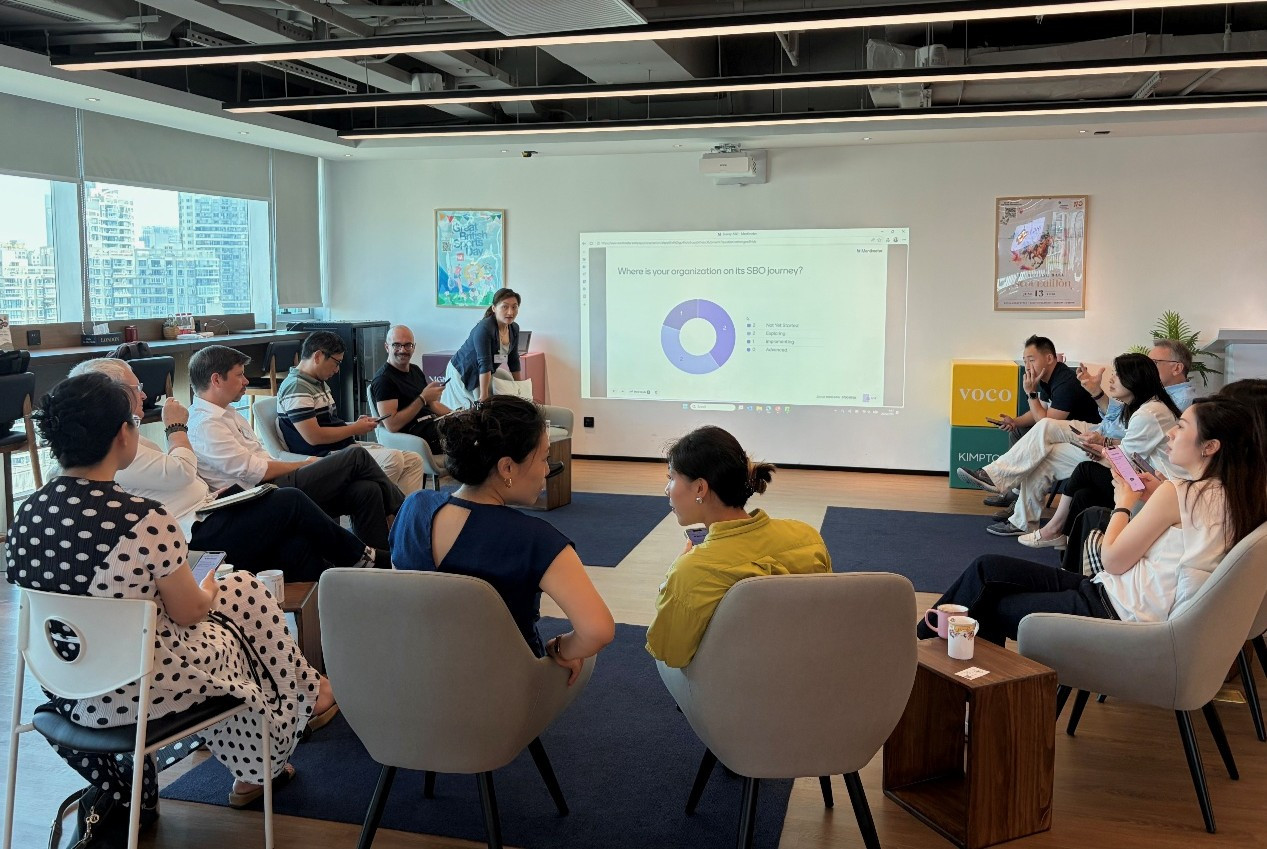
A critical question emerged: If this system identifies and allocates rare resources, how does it solve the fundamental problem of deciding where to deploy them? Participants agreed that technology and data alone cannot create a skills-based organisation. A skills platform is an enabler, but its impact depends on clear business priorities, leadership sponsorship and a shared understanding of how skills support organisational strategy.
The China Context
Participants examined whether Chinese organisations have the same appetite for skills-based transformation as their Western counterparts. While the principles of a skills-based organisation are broadly applicable, successful implementation in China requires consideration of local management practices, organisational structures, workforce expectations and broader market conditions.
Key Takeaways
Throughout the discussion, participants recognised that becoming a skills-based organisation is not a destination but an ongoing journey. While many organisations have already introduced elements such as skills frameworks, upskilling programmes or internal mobility initiatives, the challenge lies in connecting these efforts into a coherent talent strategy that delivers measurable business value.
Closing Reflections
“Skills don’t create future-ready organisations. Organisations that continuously learn do.“
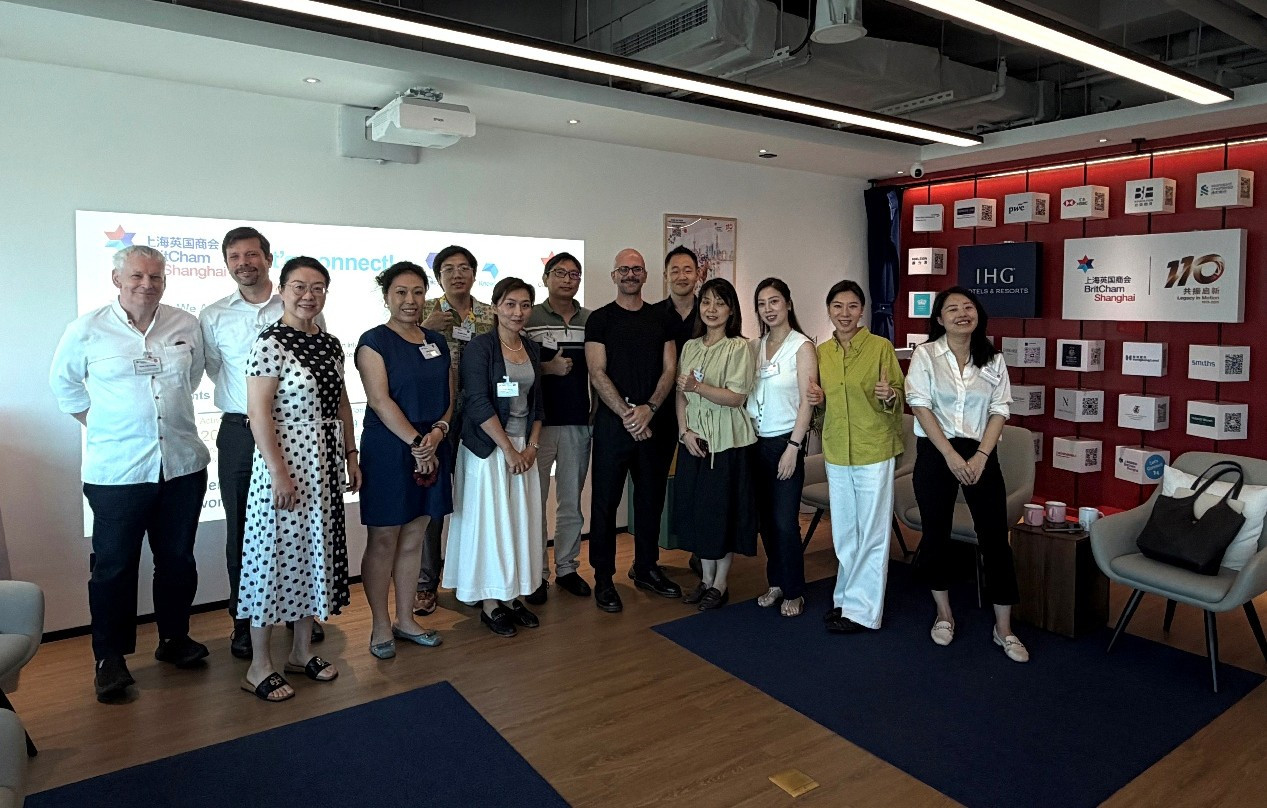
BritCham Shanghai remains committed to convening conversations that help businesses move from traditional structures to more agile, skills-based models, driving long-term sustainable growth.